



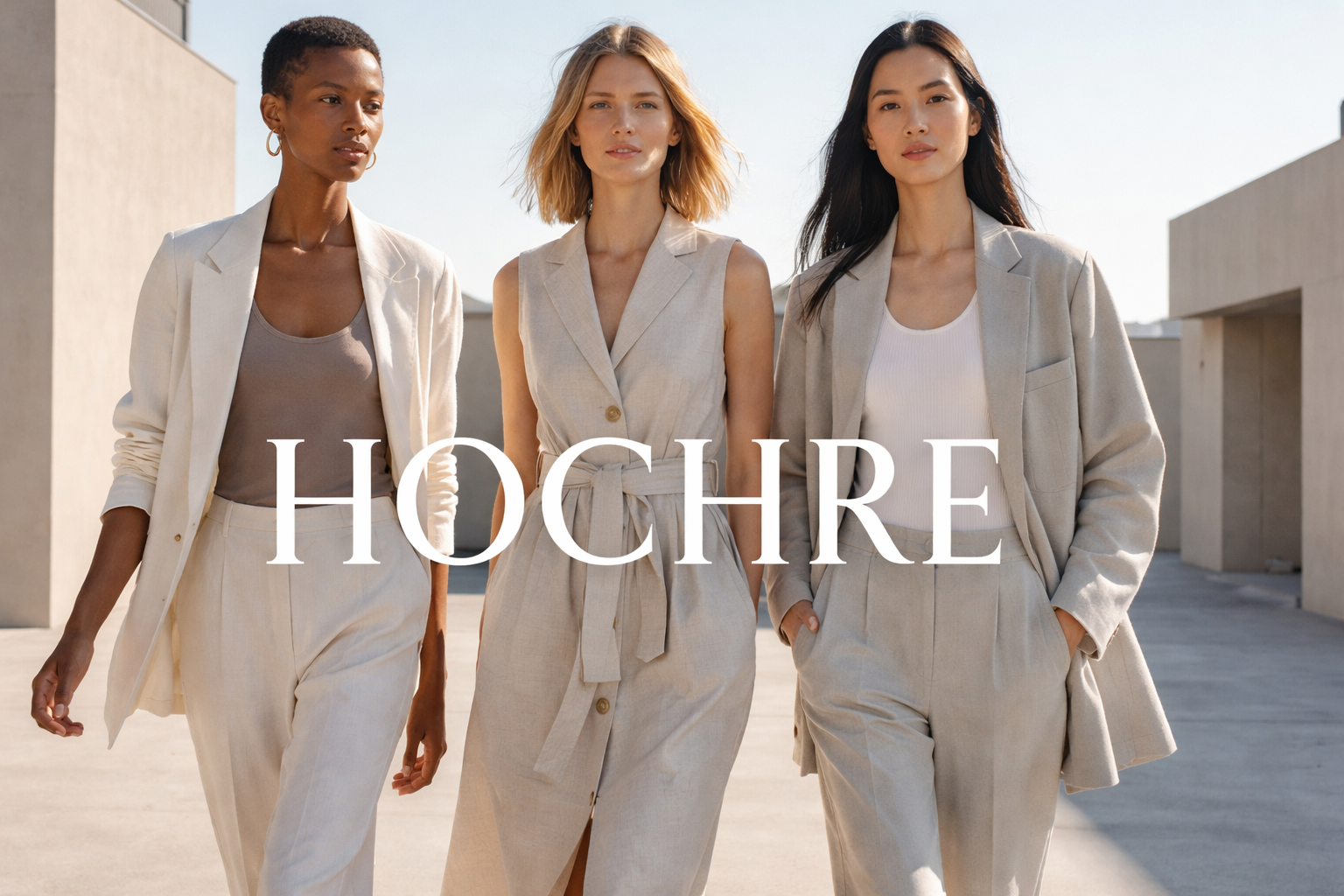
Fashion is constantly evolving. Every decade introduces new materials, silhouettes, and philosophies that reshape how people dress and how the industry functions. Recently, a new concept has been quietly gaining attention among designers, stylists, and sustainability advocates: Hochre.
Although the term may still be unfamiliar to many, Hochre represents a powerful shift in how fashion is created, worn, and valued. Rather than focusing purely on trends or luxury labels, Hochre emphasizes thoughtful design, durability, ethical production, and personal identity. It blends modern minimalism, functional design, and sustainable practices into a cohesive approach that challenges the fast-fashion model dominating global markets.
In essence, Hochre is more than just a trend—it is a philosophy. It reflects a growing cultural movement toward mindful consumption, timeless aesthetics, and clothing that tells a story. As consumers become more aware of environmental impact and social responsibility, Hochre offers a compelling framework for the future of fashion.
This article explores the meaning of Hochre, its origins, principles, aesthetic elements, cultural significance, and how it is influencing designers and consumers worldwide.
Understanding the Meaning of Hochre
Hochre can be understood as a design philosophy that combines high-quality craftsmanship with responsible fashion practices. The term itself is associated with ideas of elevation, refinement, and purposeful creation.
Unlike conventional fashion movements that revolve around seasonal trends, Hochre focuses on longevity and intention. The philosophy encourages clothing that lasts longer, adapts to multiple contexts, and reflects the wearer’s personal values.
In practical terms, Hochre fashion emphasizes:
-
High-quality materials
-
Thoughtful design
-
Minimal environmental impact
-
Versatility and functionality
-
Personal expression rather than trend imitation
The concept aligns closely with movements such as slow fashion and conscious consumerism, but Hochre places a stronger emphasis on design innovation and aesthetic refinement.
Rather than rejecting style, Hochre elevates it—creating garments that are both elegant and responsible.
The Origins of the Hochre Movement
Like many fashion ideas, Hochre did not emerge overnight. It developed gradually through the convergence of several cultural and economic forces shaping the global fashion industry.
1. The Reaction Against Fast Fashion
Over the past two decades, fast fashion brands have dramatically accelerated production cycles. Clothing is produced quickly and cheaply, often designed to last only a few wears before being replaced.
While this model made fashion more accessible, it also created serious problems:
-
Massive textile waste
-
Environmental pollution
-
Labor exploitation
-
Declining garment quality
Consumers increasingly began questioning this system. Hochre emerged partly as a response to these concerns, offering a more sustainable alternative.
2. The Rise of Conscious Consumers
Modern consumers are more informed than ever before. Social media, documentaries, and investigative journalism have exposed many of the hidden costs of the fashion industry.
As a result, people increasingly seek brands that prioritize:
-
Ethical manufacturing
-
Transparent supply chains
-
Sustainable materials
Hochre resonates strongly with these values.
3. The Influence of Minimalist Design
Minimalism has influenced architecture, technology, and lifestyle trends for decades. In fashion, minimalist design emphasizes simplicity, structure, and timeless elegance.
Hochre incorporates minimalist principles but expands them through:
-
functional versatility
-
sustainable innovation
-
emotional connection with clothing
Core Principles of Hochre Fashion
The Hochre philosophy is built upon several guiding principles that shape how garments are designed and worn.
1. Quality Over Quantity
One of the central ideas behind Hochre is investing in fewer but better garments. Rather than buying multiple cheap items that wear out quickly, consumers choose durable pieces made from high-quality fabrics.
This approach benefits both the wearer and the environment.
High-quality clothing:
-
lasts longer
-
maintains its shape
-
reduces waste
-
provides better comfort
In a Hochre wardrobe, every piece has purpose and longevity.
2. Sustainability as a Design Foundation
Sustainability is not an afterthought in Hochre fashion—it is embedded in the design process from the beginning.
Designers consider environmental impact at every stage, including:
-
material sourcing
-
manufacturing techniques
-
dyeing processes
-
packaging and distribution
Common sustainable materials used in Hochre fashion include:
-
organic cotton
-
recycled fibers
-
hemp textiles
-
bamboo fabric
-
biodegradable synthetics
These materials reduce ecological harm while maintaining high performance and aesthetic appeal.
3. Versatility and Functionality
Hochre clothing is designed to adapt to multiple situations. A single garment may transition easily from casual to formal settings through simple styling changes.
For example:
-
A structured blazer that works in both professional and social environments
-
Modular clothing pieces that can be layered or adjusted
-
Dresses designed with removable elements or reversible construction
This versatility reduces the need for excessive clothing purchases while encouraging creativity in personal style.
4. Timeless Aesthetics
Unlike trend-driven fashion cycles, Hochre emphasizes designs that remain relevant across years or even decades.
Key characteristics include:
-
clean lines
-
neutral color palettes
-
balanced proportions
-
subtle detailing
Timeless fashion not only maintains aesthetic value but also supports sustainability by extending the life of garments.
5. Ethical Production
The Hochre philosophy recognizes that fashion is not only about clothing but also about the people who create it.
Ethical production means ensuring:
-
fair wages for workers
-
safe working conditions
-
transparent labor practices
-
responsible sourcing
Consumers who adopt Hochre values often research brands carefully to ensure they align with these standards.
The Visual Aesthetic of Hochre Fashion
Although Hochre is a philosophy, it also has a recognizable visual style.
The aesthetic combines refined simplicity with subtle innovation.
Color Palettes
Common Hochre color schemes include:
-
earthy tones
-
muted neutrals
-
monochrome palettes
-
soft natural hues
These colors create timeless combinations that remain stylish across seasons.
Silhouettes
Hochre silhouettes are structured but comfortable. Designers focus on:
-
tailored fits
-
flowing shapes
-
balanced proportions
-
movement and flexibility
Garments are often designed to complement the natural form rather than exaggerate it.
Fabric Texture
Texture plays an important role in Hochre fashion.
Typical materials include:
-
brushed wool
-
organic cotton twill
-
linen blends
-
textured knits
These fabrics create depth and tactile appeal without relying on excessive decoration.
Hochre and the Slow Fashion Movement
Hochre shares many similarities with the slow fashion movement, but it also introduces distinct elements.
Slow fashion primarily focuses on reducing production speed and encouraging mindful consumption. Hochre expands this concept by emphasizing design excellence and innovation.
Where slow fashion sometimes prioritizes simplicity alone, Hochre seeks to combine:
-
sustainability
-
craftsmanship
-
aesthetic sophistication
In this way, Hochre appeals not only to environmentally conscious consumers but also to those who value artistic fashion design.
The Role of Technology in Hochre Fashion
Modern technology plays a surprising role in supporting Hochre principles.
3D Design and Virtual Prototyping
Digital design tools allow designers to create virtual prototypes before producing physical samples. This reduces material waste and speeds up experimentation.
Smart Textiles
Innovative fabrics can improve durability and sustainability. Examples include:
-
temperature-regulating textiles
-
moisture-resistant natural fibers
-
recycled synthetic blends
These technologies enable garments to perform better while lasting longer.
Digital Supply Chain Transparency
Blockchain and digital tracking systems allow consumers to verify where materials come from and how garments are produced.
This transparency strengthens trust between brands and consumers.
How Consumers Can Build a Hochre Wardrobe
Adopting Hochre fashion does not require replacing an entire wardrobe overnight. Instead, it involves gradually shifting toward mindful clothing choices.
Start With Essentials
Invest in versatile wardrobe staples such as:
-
a well-tailored blazer
-
durable denim
-
high-quality knitwear
-
neutral shirts or blouses
These pieces form the foundation of a flexible wardrobe.
Prioritize Fabric Quality
Learning about fabric composition helps consumers choose garments that last longer.
Natural fibers generally offer better durability and breathability compared to synthetic fast-fashion materials.
Choose Brands Carefully
Researching brand practices ensures alignment with ethical and sustainable values.
Consumers increasingly support companies that publish transparent sustainability reports and fair-labor policies.
Repair Instead of Replace
Hochre philosophy encourages repairing garments rather than discarding them.
Tailoring, patching, and fabric restoration extend the life of clothing while adding character.
Hochre in Global Fashion Culture
Although still emerging, Hochre concepts are influencing designers across multiple fashion hubs.
European Design Houses
Many European designers emphasize craftsmanship and sustainability, aligning naturally with Hochre ideals.
Small independent labels are particularly active in experimenting with modular garments and sustainable fabrics.
Asian Minimalist Fashion
Japanese and Korean fashion aesthetics have long embraced minimalism, making them compatible with Hochre design principles.
These styles often highlight clean lines, asymmetry, and thoughtful tailoring.
North American Sustainable Brands
In North America, sustainable fashion startups are increasingly adopting Hochre-like strategies that combine innovation with ethical manufacturing.
The Economic Impact of Hochre Fashion
Hochre fashion has the potential to reshape the economics of the apparel industry.
Instead of focusing on rapid turnover, the model encourages:
-
smaller production runs
-
higher-quality materials
-
longer product lifecycles
Although garments may cost more initially, they often deliver greater long-term value.
This shift could reduce waste while supporting skilled artisans and responsible manufacturing practices.
Challenges Facing the Hochre Movement
Despite its benefits, Hochre fashion faces several challenges.
Higher Upfront Costs
Sustainable materials and ethical labor practices increase production costs. Some consumers may hesitate to pay higher prices even if garments last longer.
Limited Availability
Because Hochre brands typically produce smaller collections, their products may not be as widely available as mass-market clothing.
Consumer Education
Many people are still unaware of the environmental impact of fast fashion. Expanding awareness is essential for Hochre adoption.
The Future of Hochre Fashion
Looking ahead, Hochre has strong potential to shape the future of the fashion industry.
Several trends suggest continued growth:
-
increasing environmental awareness
-
technological innovation in textiles
-
rising demand for transparency in manufacturing
-
cultural shift toward mindful consumption
As these factors continue to evolve, Hochre may become a mainstream design philosophy rather than a niche concept.
Large fashion brands are already exploring sustainable collections and circular production models. If these efforts expand, the core values of Hochre could influence the entire industry.
Why Hochre Matters in Modern Fashion
Fashion has always reflected cultural values. In an era defined by environmental concerns, digital connectivity, and global awareness, clothing is no longer just about appearance.
It is about responsibility, identity, and longevity.
Hochre represents a new vision for fashion—one that balances creativity with ethics and beauty with sustainability.
By encouraging thoughtful design and mindful consumption, the philosophy offers a practical path toward a more responsible industry.
Conclusion
Hochre is more than a fashion concept; it is a shift in perspective. It challenges the disposable culture of fast fashion and encourages a deeper relationship between people and the clothing they wear.
Through its focus on quality, sustainability, ethical production, and timeless aesthetics, Hochre provides a framework for a fashion industry that values both creativity and responsibility.
For designers, it inspires innovation and craftsmanship. For consumers, it offers a way to express personal style while making environmentally conscious choices.
As awareness grows and more brands adopt these principles, Hochre may become one of the defining movements shaping the next era of fashion.
The future of style may not be about owning more clothing—but about owning the right clothing, thoughtfully designed and responsibly made.

