



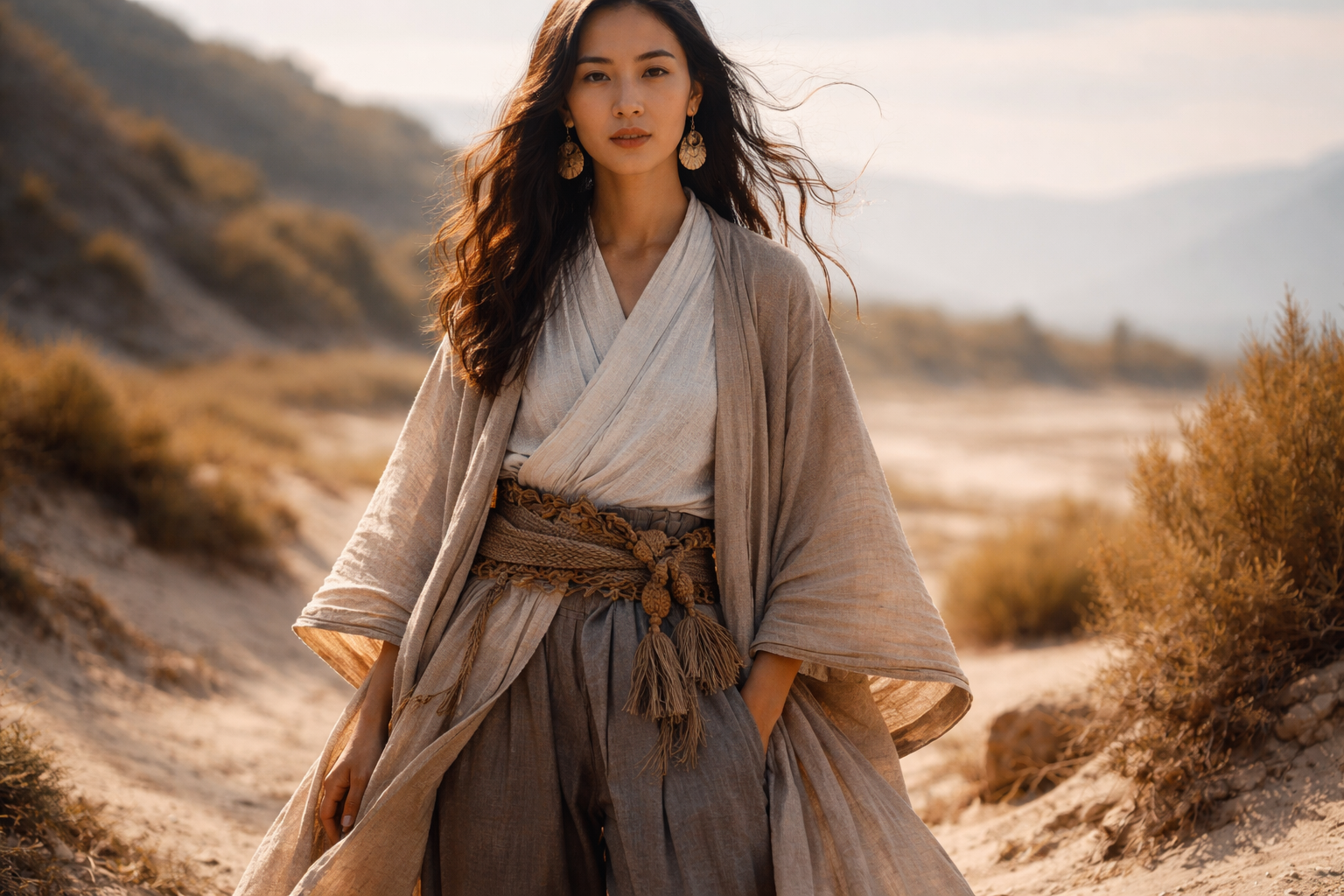
Fashion is constantly evolving, shaped by culture, creativity, and the shifting identities of the people who wear it. In recent years, a new concept has started gaining attention among designers, stylists, and fashion thinkers—Tsunaihaiya. Though the term may sound unfamiliar to many, the philosophy behind Tsunaihaiya reflects a powerful movement in modern fashion: the desire to connect heritage, emotion, sustainability, and individuality through clothing.
Tsunaihaiya is not just a style or a trend. It represents a deeper approach to fashion where garments are seen as living expressions of personal stories, cultural connections, and fluid creativity. In a world increasingly saturated with fast fashion and short-lived trends, Tsunaihaiya offers an alternative that values authenticity, craftsmanship, and thoughtful design.
This article explores the origins, philosophy, design principles, cultural influence, and future potential of Tsunaihaiya fashion. By understanding this concept, we can better appreciate how fashion continues to evolve as both an art form and a reflection of human identity.
The Meaning Behind Tsunaihaiya
The word Tsunaihaiya is often interpreted as a symbolic blend of ideas related to connection, continuity, and harmony. Fashion historians and creative thinkers use the term to describe a style philosophy that links past and present while encouraging fluid expression.
At its core, Tsunaihaiya focuses on three fundamental ideas:
-
Connection – Clothing that connects individuals with culture, environment, and heritage.
-
Flow – Designs that embrace movement, comfort, and organic structure.
-
Identity – Garments that help individuals express who they truly are.
Rather than following rigid fashion rules, Tsunaihaiya encourages designers and wearers to think about clothing as an extension of personal narrative. Every texture, fabric choice, silhouette, and color palette becomes part of a story.
This philosophy resonates strongly with modern consumers who are increasingly seeking authenticity in the items they wear and purchase.
Origins and Conceptual Roots
Although Tsunaihaiya is a relatively new term in the global fashion vocabulary, its underlying principles draw inspiration from several long-standing traditions.
Historically, clothing in many cultures served not only functional purposes but also symbolic ones. Traditional garments often represented social status, regional identity, or spiritual beliefs. Over time, industrialization and mass production shifted fashion toward speed and efficiency, sometimes losing that deeper cultural meaning.
Tsunaihaiya attempts to restore that balance by merging traditional awareness with modern design innovation.
Designers influenced by Tsunaihaiya often draw inspiration from:
-
Indigenous textile traditions
-
Slow fashion movements
-
Sustainable material practices
-
Cultural storytelling through clothing
-
Minimalist yet expressive silhouettes
This fusion of heritage and innovation creates garments that feel both timeless and contemporary.
Core Principles of Tsunaihaiya Fashion
To truly understand Tsunaihaiya, it helps to explore the guiding principles that shape its design philosophy.
1. Fluid Silhouettes
One of the most noticeable features of Tsunaihaiya fashion is its emphasis on flowing shapes and relaxed structures. Rather than focusing on rigid tailoring, garments often prioritize natural movement and comfort.
Flowing fabrics such as linen, organic cotton, bamboo fiber, and silk blends are commonly used. These materials allow clothing to adapt to the wearer’s body rather than forcing the body to conform to the garment.
This sense of fluidity reflects the philosophy that fashion should move with life, not against it.
2. Cultural Dialogue
Tsunaihaiya designs often incorporate elements inspired by global textile traditions. However, the focus is not on imitation but on respectful dialogue between cultures.
Patterns, embroidery techniques, weaving methods, and fabric dyeing traditions are sometimes adapted into modern pieces in ways that honor their origins.
For example, a Tsunaihaiya-inspired designer might combine:
-
Handwoven textiles from traditional artisans
-
Modern minimalist cuts
-
Contemporary color palettes
This creates clothing that bridges generational and cultural boundaries.
3. Sustainable Thinking
Sustainability is a key pillar of the Tsunaihaiya philosophy. Designers working within this approach often emphasize responsible production and environmentally friendly materials.
Common sustainability practices include:
-
Natural or low-impact dyes
-
Organic or recycled fabrics
-
Small-batch production
-
Durable garment construction
Instead of encouraging frequent wardrobe turnover, Tsunaihaiya promotes pieces designed to last for years.
The goal is not simply to reduce environmental impact but also to cultivate a deeper appreciation for clothing as meaningful objects.
4. Emotional Connection
Another defining feature of Tsunaihaiya fashion is its emotional dimension. Many designers believe clothing should evoke feelings, memories, or personal meaning.
This might be achieved through:
-
Symbolic patterns
-
Meaningful color combinations
-
Story-inspired collections
-
Handmade details
When people wear Tsunaihaiya-inspired garments, they often feel a stronger connection to what they are wearing.
This emotional link contrasts sharply with the disposable mindset associated with fast fashion.
Tsunaihaiya and the Slow Fashion Movement
The rise of Tsunaihaiya parallels the growing popularity of slow fashion, a movement that challenges the rapid production cycles of mainstream clothing industries.
Slow fashion emphasizes:
-
Quality over quantity
-
Ethical labor practices
-
Timeless design
-
Environmental responsibility
Tsunaihaiya naturally aligns with these values. Rather than producing seasonal trends that disappear after a few months, Tsunaihaiya encourages garments designed to remain relevant for years.
Many designers working in this space produce limited collections or made-to-order pieces, reducing waste and maintaining craftsmanship standards.
Consumers who embrace Tsunaihaiya often build wardrobes gradually, focusing on versatile pieces that reflect their identity rather than chasing constant trends.
Materials Commonly Used in Tsunaihaiya Design
Material selection plays a major role in Tsunaihaiya fashion. Designers often prioritize fabrics that feel natural, breathable, and ethically sourced.
Some commonly used materials include:
Organic Cotton
Organic cotton is grown without harmful pesticides and typically uses less water than conventional cotton. It offers comfort and durability while supporting sustainable farming practices.
Linen
Linen, made from flax fibers, is another favorite material. It is lightweight, breathable, and naturally biodegradable. Linen garments often develop unique textures over time, adding character.
Bamboo Fiber
Bamboo-based textiles are valued for their softness and moisture-wicking properties. They also have natural antibacterial qualities, making them comfortable for everyday wear.
Recycled Fabrics
Some Tsunaihaiya designers experiment with recycled fibers derived from plastic bottles, textile scraps, or reclaimed materials.
This innovative approach reduces waste while giving new life to existing resources.
Color Philosophy in Tsunaihaiya Fashion
Color choices in Tsunaihaiya designs often reflect natural landscapes and emotional symbolism.
Common color palettes include:
-
Earth tones such as clay, sand, olive, and rust
-
Soft neutrals like cream, stone, and charcoal
-
Muted blues and greens inspired by oceans and forests
-
Occasional vibrant accents representing energy and individuality
These palettes allow garments to mix easily with other pieces while maintaining a calm and harmonious aesthetic.
Natural dye techniques are also frequently used to create subtle variations and depth in fabric colors.
Tsunaihaiya in Everyday Style
While the philosophy behind Tsunaihaiya may sound artistic, its influence can easily translate into everyday wardrobes.
People who adopt Tsunaihaiya-inspired fashion often focus on building clothing collections that are:
-
Comfortable yet elegant
-
Versatile across seasons
-
Meaningful rather than trend-driven
A typical Tsunaihaiya-inspired outfit might include:
-
A loose linen shirt
-
Wide-leg trousers made from organic cotton
-
Handcrafted leather sandals
-
Minimal accessories with cultural or artistic significance
The result is a style that feels relaxed yet thoughtful.
The Role of Craftsmanship
Craftsmanship is deeply valued within the Tsunaihaiya philosophy.
Instead of relying entirely on automated production lines, many designers collaborate with skilled artisans who specialize in traditional techniques.
Examples include:
-
Hand weaving
-
Natural fabric dyeing
-
Hand embroidery
-
Traditional tailoring
These techniques add uniqueness to each garment while supporting local craft communities.
In many cases, no two Tsunaihaiya garments are exactly the same.
Tsunaihaiya and Personal Identity
Modern fashion increasingly emphasizes self-expression, and Tsunaihaiya fits perfectly within this cultural shift.
Rather than telling people what they should wear, Tsunaihaiya encourages them to explore their own identities through clothing.
This might involve:
-
Mixing cultural influences
-
Choosing garments with personal meaning
-
Prioritizing comfort and authenticity
-
Rejecting rigid fashion rules
The philosophy suggests that fashion should not limit individuality but rather celebrate it.
Influence on Emerging Designers
Young designers around the world are beginning to explore Tsunaihaiya-inspired ideas in their collections.
Many fashion students and independent labels are drawn to its emphasis on sustainability, storytelling, and cultural awareness.
Fashion schools increasingly encourage designers to consider:
-
The environmental impact of materials
-
Ethical production methods
-
Cultural sensitivity in design inspiration
Tsunaihaiya offers a framework that naturally incorporates all these considerations.
As a result, the philosophy is becoming particularly appealing to the next generation of creative talent.
Tsunaihaiya in the Digital Fashion Era
Even in the digital age of online shopping and social media, Tsunaihaiya remains relevant.
In fact, the rise of conscious consumerism online has helped spread awareness of slow fashion philosophies.
Many Tsunaihaiya-inspired brands use digital platforms to share:
-
The stories behind their materials
-
The artisans involved in production
-
The cultural influences behind designs
-
The environmental benefits of their processes
Consumers today often appreciate transparency, and Tsunaihaiya brands frequently emphasize openness about their practices.
This storytelling approach helps build stronger relationships between brands and their audiences.
The Psychological Impact of Thoughtful Clothing
Clothing affects how people feel about themselves. Studies in fashion psychology suggest that wearing meaningful garments can influence confidence, mood, and emotional well-being.
Tsunaihaiya embraces this idea by encouraging mindful clothing choices.
When individuals wear garments that reflect their values or personal stories, they may experience:
-
Increased self-confidence
-
Stronger cultural connection
-
Greater appreciation for craftsmanship
-
Reduced pressure to follow trends
In this way, Tsunaihaiya fashion contributes not only to style but also to personal well-being.
Challenges Facing Tsunaihaiya Fashion
Despite its positive philosophy, Tsunaihaiya faces several challenges within the modern fashion industry.
Higher Production Costs
Ethical materials and handcrafted techniques often cost more than mass-produced alternatives. This can make Tsunaihaiya garments less accessible to some consumers.
Limited Awareness
Because the concept is still emerging, many people are unfamiliar with the philosophy and its values.
Competition with Fast Fashion
Fast fashion brands produce clothing at extremely low prices and rapid speeds, making it difficult for slower production models to compete in the mainstream market.
However, growing consumer awareness about sustainability is gradually shifting attitudes.
The Future of Tsunaihaiya
The future of Tsunaihaiya fashion appears promising as global interest in sustainable and meaningful clothing continues to grow.
Several trends suggest that its influence may expand in the coming years:
-
Increased demand for ethical fashion
-
Greater transparency in supply chains
-
Revival of traditional craftsmanship
-
Consumer interest in minimalist wardrobes
-
Integration of technology with sustainable materials
As designers continue experimenting with these ideas, Tsunaihaiya may evolve into a broader movement that shapes the future of fashion.
Conclusion
Tsunaihaiya represents more than a style—it is a philosophy that reimagines the relationship between clothing, culture, and identity. By emphasizing connection, sustainability, craftsmanship, and emotional meaning, it offers a refreshing alternative to the fast-paced world of modern fashion.
Through fluid silhouettes, thoughtful materials, and storytelling design, Tsunaihaiya encourages people to view fashion not simply as consumption but as a form of personal expression and cultural dialogue.
As awareness of environmental responsibility and ethical production continues to grow, philosophies like Tsunaihaiya are likely to play an increasingly important role in shaping the future of fashion.
Ultimately, Tsunaihaiya reminds us that the clothes we wear are more than fabrics stitched together—they are reflections of who we are, where we come from, and how we choose to move through the world.

