


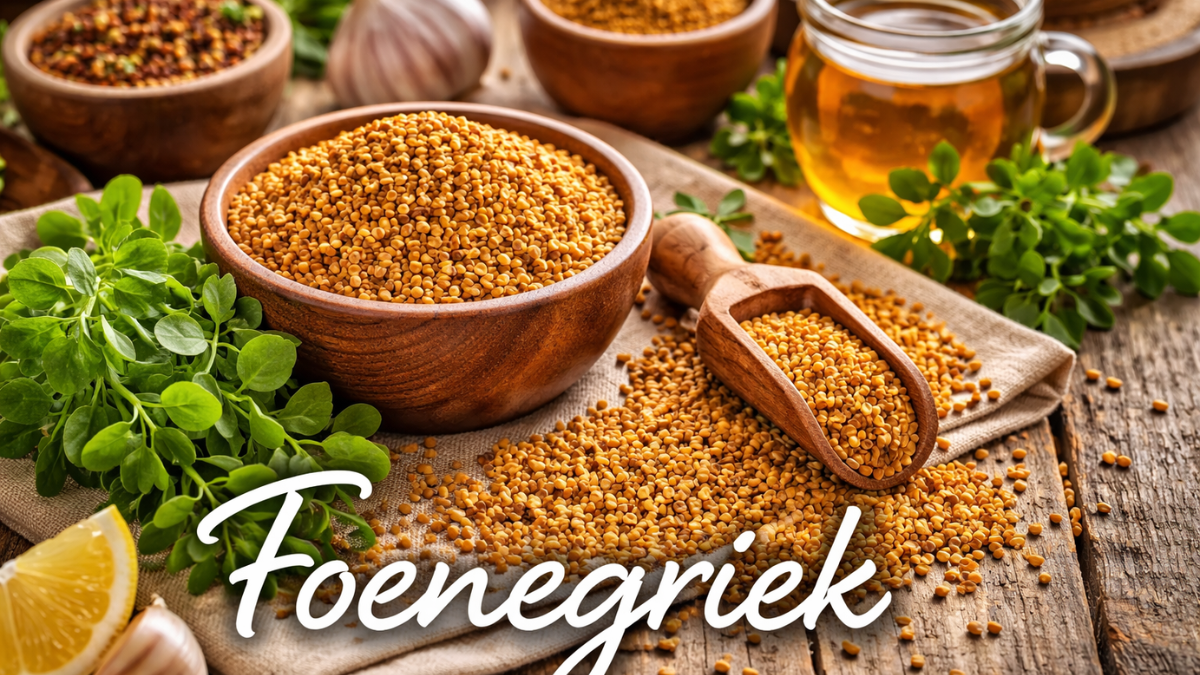
Foenegriek, better known globally as fenugreek, is a remarkable herb that has stood the test of time. With its slightly bitter flavor and warm, nutty aroma, it has been cherished for centuries in kitchens, traditional medicine, and natural wellness practices. From ancient civilizations to modern lifestyles, foenegriek continues to prove its versatility and importance.
Derived from the plant Trigonella foenum-graecum, foenegriek belongs to the legume family. It produces small golden seeds and tender green leaves—both of which are widely used. The seeds are often dried and ground into powder, while the leaves can be enjoyed fresh or dried, adding a unique depth of flavor to many dishes.
A Rich History Rooted in Tradition
Foenegriek has deep historical roots across multiple civilizations. In ancient Egypt, it was used in embalming processes and valued for its healing properties. Meanwhile, in India and China, it became a key component in traditional medicine systems such as Ayurveda and Chinese herbal practices.
The Greeks initially used foenegriek as animal fodder—reflected in its botanical name—but its benefits for human health soon gained recognition. Over time, it spread throughout Europe, the Middle East, and Asia, becoming a staple in both medicine and cuisine.
Nutritional Value That Supports Well-Being
Foenegriek seeds are packed with essential nutrients that contribute to overall health. They are rich in:
-
Dietary fiber
-
Protein
-
Iron
-
Magnesium
-
Vitamins such as B6
One of its standout features is its high fiber content, which plays a key role in supporting digestion. Additionally, foenegriek contains beneficial plant compounds like saponins and flavonoids. These compounds are widely studied for their antioxidant and anti-inflammatory effects, making the herb valuable for long-term wellness.
Key Health Benefits of Foenegriek
Foenegriek is widely appreciated for its potential health benefits, supported by both traditional use and modern research.
1. Digestive Support
The fiber in foenegriek promotes healthy digestion and regular bowel movements. Many people consume it as tea or soaked seeds to relieve bloating and discomfort.
2. Blood Sugar Regulation
Foenegriek has gained attention for its possible role in managing blood sugar levels. Some studies suggest it may improve insulin sensitivity, making it useful for those focusing on metabolic health.
3. Lactation Support
Traditionally, foenegriek has been used by nursing mothers to enhance milk production. While results can vary, it remains a popular natural remedy in many cultures.
4. Heart Health
Its fiber and plant compounds may help maintain healthy cholesterol levels, supporting overall cardiovascular health.
A Staple Ingredient in Global Cuisine
Foenegriek plays an essential role in many culinary traditions around the world.
-
Indian cuisine: A key ingredient in spice blends like curry powder and garam masala
-
Middle Eastern dishes: Used in breads and hearty stews
-
Ethiopian cooking: Included in complex spice mixtures
The seeds are often roasted to bring out their rich flavor before grinding. Soaking them can reduce bitterness and improve digestibility. The leaves, on the other hand, can be sautéed like spinach or added to flatbreads and curries for a distinctive taste.
Its adaptability makes foenegriek perfect for soups, sauces, pickles, and even herbal teas.
Growing Popularity in Modern Wellness
With the rise of natural health trends, foenegriek has found a strong place in modern wellness routines. It is commonly available in capsules, powders, and teas aimed at supporting digestion, hormonal balance, and overall vitality.
Fitness enthusiasts sometimes include foenegriek in their diets due to its association with energy levels and metabolic support. Meanwhile, the beauty industry has started incorporating foenegriek extracts into skincare products for their soothing and antioxidant properties.
Safe Usage and Practical Tips
Foenegriek is generally safe when consumed in moderate amounts. However, excessive intake may cause digestive discomfort in some individuals. It is advisable for pregnant women or those with medical conditions to consult a healthcare professional before using it as a supplement.
The best way to enjoy its benefits is by incorporating it into everyday meals—whether as a spice, herbal drink, or leafy vegetable.
Easy to Grow at Home
Foenegriek is a favorite among home gardeners due to its simplicity. It grows well in warm climates, requires minimal care, and can be harvested quickly.
Fresh leaves can be picked within weeks, making it a convenient and sustainable addition to home kitchens. Growing your own supply also ensures freshness and reduces dependence on packaged products.
Environmental Benefits and Sustainability
As a legume, foenegriek improves soil fertility by fixing nitrogen. This makes it an excellent crop for sustainable farming and crop rotation practices.
Its ability to grow in diverse climates and conditions makes it a reliable option for farmers, especially in resource-limited regions.
Cultural Importance Across Societies
Foenegriek holds symbolic meaning in many cultures. It is often associated with healing, nourishment, and protection. In traditional practices, it is used during seasonal changes to strengthen the body and improve immunity.
Its dual role as both food and medicine highlights its deep connection to daily life and cultural heritage.
The Future of Foenegriek
As interest in plant-based nutrition and natural remedies continues to grow, foenegriek is expected to remain highly relevant. Ongoing research is exploring its potential in medicine, nutrition, and agriculture.
Innovations in food products—such as functional snacks and health drinks—may further expand its use. At the same time, sustainable farming practices could increase its global production.
Conclusion
Foenegriek is far more than just a spice—it is a symbol of tradition, health, and versatility. With its impressive nutritional profile, wide-ranging health benefits, and essential role in global cuisine, it continues to be a valuable part of everyday life.
Whether added to a delicious meal, brewed into a calming tea, or grown in your own garden, foenegriek remains a timeless herb. Its blend of cultural significance and modern relevance ensures that it will continue to enrich both kitchens and wellness practices for generations to come.