


Koriandri is far more than a simple green garnish sitting on the edge of your plate. It is a herb deeply rooted in history, celebrated in kitchens across continents, and valued for both its flavor and wellness properties. From everyday American meals to traditional global recipes, koriandri continues to shape how people cook, eat, and think about natural health.
This comprehensive guide explains everything you need to know about koriandri — its origins, benefits, culinary uses, storage tips, and cultural significance — in clear and simple language.
What Is Koriandri?
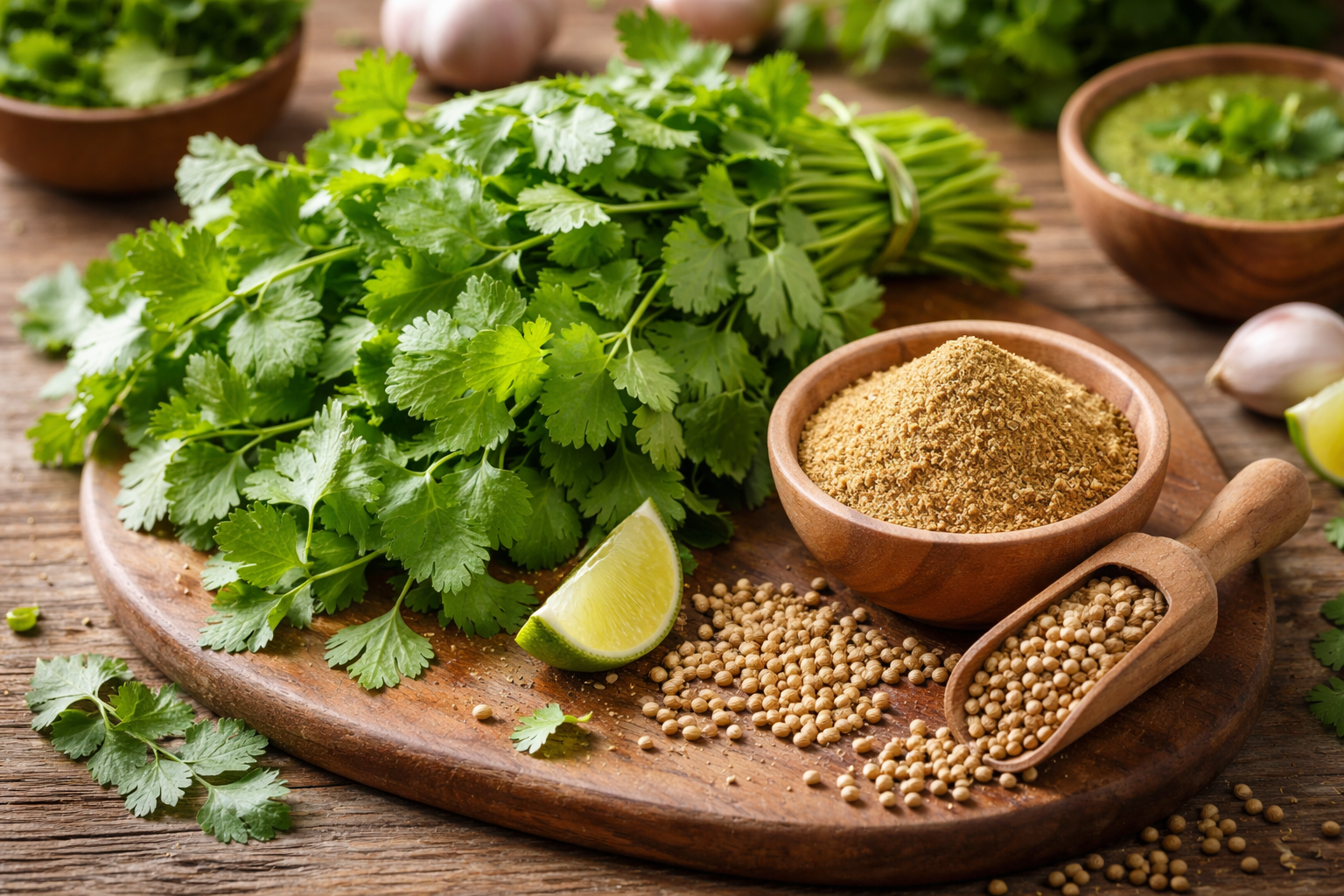
Koriandri is a versatile herb known for its bright green leaves and aromatic seeds. Although both come from the same plant, they are often treated as separate ingredients in cooking.
In the United States, the fresh leaves are commonly called cilantro, while the dried seeds are known as coriander. The term koriandri is often used to describe the whole plant, including both the leafy and seed forms.
One of the most unique qualities of koriandri is its dual flavor profile:
-
Fresh leaves offer a crisp, citrus-like taste
-
Seeds provide a warm, slightly sweet, nutty flavor
This makes koriandri one of the most flexible herbs in the kitchen.
The History and Origins of Koriandri
Koriandri has one of the longest recorded histories among culinary herbs. Archaeological findings show it was used over 5,000 years ago.
It has been discovered in ancient tombs, referenced in early medical writings, and valued in traditional cooking practices around the world.
Early Civilizations and Koriandri
-
Ancient Egyptians used it in food and ceremonial practices
-
Greeks and Romans incorporated it into cooking, perfumes, and medicine
-
Asian cultures appreciated it for supporting digestion and balance
As trade routes expanded, koriandri spread across continents. Today, it remains a global ingredient that connects diverse cuisines.
Why Koriandri Still Matters Today
Despite thousands of years of history, koriandri remains highly relevant in modern kitchens and wellness routines.
Here’s why:
-
It enhances flavor naturally without artificial additives
-
It aligns with clean eating and plant-based lifestyles
-
It is affordable and widely available
-
It can be grown easily at home
Koriandri’s combination of taste, accessibility, and tradition keeps it firmly rooted in contemporary cooking.
The Different Forms of Koriandri
Each form of koriandri serves a unique purpose in the kitchen.
Fresh Koriandri Leaves
Fresh leaves are bright green with a bold aroma. They are typically added at the end of cooking to preserve their delicate flavor.
Common uses include:
-
Garnishing soups and tacos
-
Mixing into fresh salads and salsas
-
Blending into sauces and dips
-
Adding brightness to rice and grain dishes
Because heat can quickly reduce its flavor, fresh koriandri is best added just before serving.
Koriandri Seeds
Koriandri seeds are small, round, and light brown. When crushed or toasted, they release a warm and slightly citrusy fragrance.
They are often used in:
-
Spice blends
-
Curries and stews
-
Pickling mixtures
-
Baking recipes
Toasting the seeds lightly before grinding enhances their flavor.
Ground Koriandri Powder
Ground koriandri is made by crushing dried seeds into a fine powder. It blends easily into marinades, rubs, and seasoning mixes, offering a smooth texture without whole seeds.
Understanding the Flavor of Koriandri
Koriandri’s taste is famously debated.
Some people describe it as fresh and lemony. Others say it tastes soapy or unpleasant. This difference is linked to genetics rather than cooking technique.
For those who enjoy it, koriandri adds:
-
Freshness
-
Balance
-
Bright contrast to rich foods
Used thoughtfully, it enhances a dish without overwhelming it.
Nutritional Value of Koriandri
Although small in size, koriandri is packed with beneficial nutrients.
Key Nutrients Found in Koriandri
-
Vitamin A
-
Vitamin C
-
Vitamin K
-
Antioxidants
-
Natural plant compounds
These nutrients contribute to overall health and make koriandri a smart addition to balanced meals.
Health and Wellness Benefits of Koriandri
Koriandri has been used traditionally for wellness purposes across many cultures. Modern research continues to explore its potential benefits.
Supports Digestive Comfort
Koriandri has long been associated with digestive support. It is often included in meals to reduce heaviness and promote comfort after eating.
May Support Heart Health
Some studies suggest that koriandri may contribute to healthy cholesterol levels when combined with a balanced diet and healthy lifestyle.
Natural Detox Support
Traditionally, koriandri has been used to support the body’s natural cleansing processes.
Supports Immune Function
Thanks to its vitamins and antioxidant content, koriandri contributes to overall immune health.
While it should not replace medical treatment, incorporating koriandri into meals can complement a healthy routine.
Using Koriandri in Everyday Cooking
Koriandri is simple to use, even for beginners.
Easy Ways to Use Koriandri at Home
-
Sprinkle chopped leaves over roasted vegetables
-
Stir into soups just before serving
-
Mix ground seeds into marinades
-
Blend fresh leaves into green sauces
-
Add to homemade salad dressings
The key is timing. Fresh leaves should be added late in cooking to preserve their vibrant taste.
Koriandri in American Cuisine
Although often associated with global dishes, koriandri has become a staple in American kitchens.
You’ll frequently find it in:
-
Tex-Mex meals
-
Modern fusion cuisine
-
Plant-based recipes
-
Healthy meal-prep dishes
As Americans continue exploring international flavors, koriandri remains a favorite ingredient.
How to Choose High-Quality Koriandri
Selecting fresh and flavorful koriandri makes a noticeable difference.
Tips for Buying Fresh Leaves
-
Look for bright green color
-
Avoid yellowing or slimy stems
-
Check for a strong, fresh aroma
Tips for Buying Seeds or Powder
-
Choose airtight packaging
-
Avoid faded or dull coloring
-
Check expiration dates carefully
Freshness directly impacts flavor.
Proper Storage of Koriandri
Correct storage extends shelf life and preserves taste.
Storing Fresh Koriandri
-
Place stems in a glass of water
-
Cover loosely with a plastic bag
-
Store in the refrigerator
Storing Seeds and Powder
-
Keep in airtight containers
-
Store in a cool, dark place
-
Avoid moisture and direct heat
Whole seeds typically last longer than ground powder.
Growing Koriandri at Home
Koriandri is easy to grow and ideal for small gardens or even kitchen windowsills.
Basic Growing Tips
-
Use well-drained soil
-
Provide partial sunlight
-
Water lightly but consistently
Because it grows quickly, it’s a rewarding herb for beginners.
Koriandri in Traditional Medicine and Culture
Across many cultures, koriandri holds symbolic and practical importance.
It has been used in:
-
Herbal teas
-
Traditional wellness systems
-
Cultural ceremonies
-
Natural remedies
These long-standing traditions continue to influence how koriandri is viewed today.
Common Mistakes When Using Koriandri
Small errors can reduce its impact.
Mistakes to Avoid
-
Overcooking fresh leaves
-
Using stale ground powder
-
Adding too much in delicate dishes
Understanding portion size and timing makes a significant difference.
Koriandri and Special Diets
Koriandri fits seamlessly into many dietary lifestyles.
It is:
-
Naturally plant-based
-
Gluten-free
-
Low in calories
-
Compatible with vegan and vegetarian diets
This flexibility makes it popular among health-conscious individuals.
Sustainability and Farming
Koriandri is considered a relatively sustainable crop.
-
It grows quickly
-
Requires modest resources
-
Can be cultivated locally
Supporting locally grown herbs reduces transportation impact and supports community agriculture.
The Future of Koriandri
As clean-label cooking and plant-forward diets gain popularity, koriandri’s importance is expected to grow.
Trends that support its future include:
-
Home herb gardening
-
Fresh ingredient cooking
-
Interest in global cuisines
-
Natural wellness practices
Koriandri aligns perfectly with these movements.
Why Koriandri Deserves a Place in Your Life
Koriandri is simple yet powerful. It enhances taste, supports well-being, and connects people to centuries of culinary tradition.
Whether you use it occasionally or daily, it brings freshness and depth to your meals.
Frequently Asked Questions
What is the difference between koriandri and cilantro?
Koriandri refers to the entire plant. Cilantro usually means the fresh leaves, while coriander typically refers to the seeds.
Why does koriandri taste unpleasant to some people?
Genetics influence how individuals perceive certain flavor compounds in the herb.
Can koriandri be eaten raw?
Yes. Fresh leaves are commonly eaten raw in salads, salsas, and as garnishes.
Is koriandri safe for daily use?
Yes, when consumed as part of a normal balanced diet.
Can koriandri support digestion?
Traditionally, it has been used to promote digestive comfort.
Final Thoughts
Koriandri is more than a culinary ingredient. It is a bridge between cultures, a tool for enhancing meals, and a natural addition to a balanced lifestyle.
By understanding how to select, store, grow, and use koriandri correctly, you can elevate everyday cooking while connecting to a herb that has stood the test of time.
If you’re looking for a simple, affordable way to improve flavor and embrace tradition in your kitchen, koriandri is an excellent place to begin.