


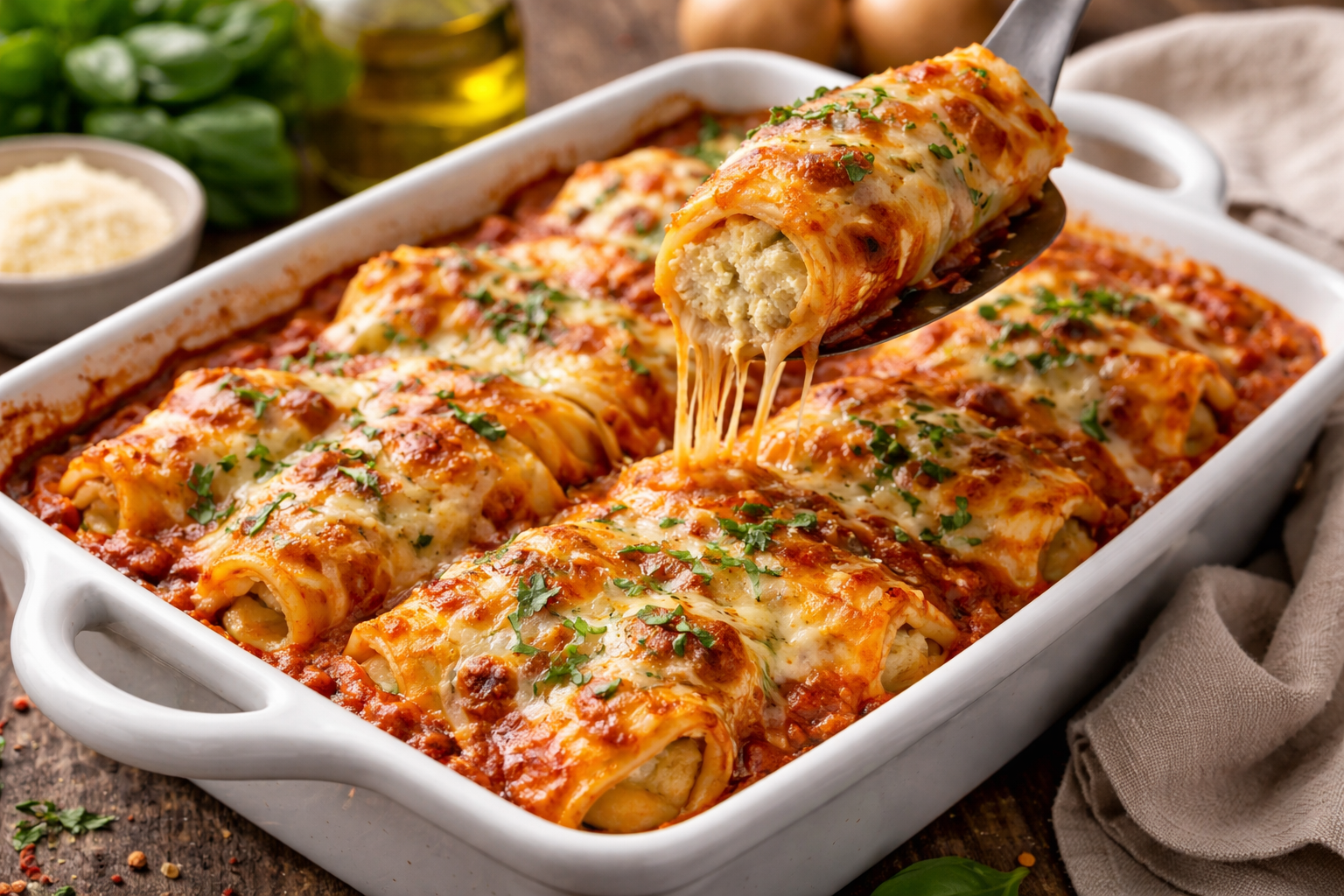
Mannacote is more than just a pasta dish—it’s a warm embrace on a plate. For many families, it represents home, tradition, and shared moments around the dinner table. Although the name may sound unfamiliar to some, Mannacote is deeply rooted in family kitchens where hearty, baked pasta meals have been passed down through generations.
Often described as stuffed pasta baked in rich, flavorful sauce, this dish has become a symbol of togetherness and nostalgic home cooking. Its comforting taste and familiar aroma evoke memories of family gatherings, Sunday dinners, and cherished recipes lovingly prepared by parents and grandparents.
While the term “Mannacote” may not appear in classic culinary dictionaries, it is widely believed to be a regional or phonetic variation of a well-known Italian-American pasta dish. Over time, pronunciation changes, cultural influences, and family traditions transformed the original name, giving birth to the beloved word used today.
Recently, Mannacote has been trending online, with curious food lovers searching for its meaning, origins, and taste. This renewed interest reflects how powerful comfort food can be—not just as nourishment, but as a connection to heritage and memories.
The Cultural Roots and Evolution of the Name
Language evolves when cultures blend, and food names are no exception. Many Italian immigrants adapted traditional dish names as they integrated into new communities, and those pronunciations became part of family vocabulary. Over time, these spoken variations turned into written ones, creating unique names like Mannacote.
For countless households, the name was never questioned. It was simply what the dish was called, and that familiarity gave it emotional weight. Recipes were not dictated by cookbooks but shaped by family tastes, regional ingredients, and personal creativity.
This is why you might find multiple spellings and explanations online. Instead of seeing this as confusion, it’s better viewed as a beautiful reflection of cultural storytelling and how food connects people across time and place.
Ingredients and Flavor Profile
At its core, Mannacote features large pasta shells or tubes stuffed with a creamy, savory filling. The filling usually includes soft cheeses blended with herbs, giving the dish a rich and smooth texture that feels both indulgent and comforting.
The sauce is equally important. Traditionally, a tomato-based sauce adds tanginess and depth, while some families prefer cream-based or lighter sauces for a softer flavor. This versatility makes the dish adaptable to different tastes and dietary preferences.
The magic happens in the oven. As the dish bakes, the pasta absorbs the sauce, the filling becomes perfectly tender, and the top layer develops a lightly golden crust. The result is a satisfying meal that feels luxurious yet familiar.
Traditional Preparation Method
Preparing Mannacote typically starts with partially cooking the pasta. This step ensures the shells or tubes stay firm and hold their shape during baking. Overcooked pasta can become mushy, so timing is key.
Next, the filling is prepared and carefully mixed to achieve the right balance—smooth enough to stuff, but thick enough to stay inside the pasta. This ensures each bite is flavorful and cohesive.
Once stuffed, the pasta is layered in a baking dish, covered with sauce, and baked until everything melds together. Slow baking deepens the flavors and creates a harmonious blend of textures, transforming simple ingredients into a comforting, crowd-pleasing dish.
Nutritional Perspective and Healthy Adjustments
From a nutritional standpoint, Mannacote offers a balance of carbohydrates, proteins, and fats. Pasta provides energy, while the cheese-based filling supplies protein and calcium. When enjoyed in moderation, it can be part of a well-rounded diet.
Health-conscious cooks often customize the recipe by adding vegetables like spinach, zucchini, or mushrooms. Others opt for lighter cheeses or whole-grain pasta to boost nutritional value without losing the comforting essence of the dish.
Portion control is important since it’s naturally filling, but when prepared thoughtfully, Mannacote can be both satisfying and nourishing.
Rising Popularity in Modern Food Culture
Traditional comfort foods are making a comeback, and Mannacote fits perfectly into this trend. In a world filled with fast food and modern recipes, people are rediscovering dishes that feel authentic, nostalgic, and rooted in family history.
Food bloggers, home cooks, and social media creators are sharing their family versions, helping the dish reach new audiences. As curiosity grows, so does appreciation for the stories and traditions behind it.
This renewed interest reflects a broader movement toward preserving culinary heritage and celebrating recipes that remind us of home.
Variations and Personal Touches
One of Mannacote’s greatest strengths is its flexibility. Some families include meat in the filling, while others keep it vegetarian with cheese and vegetables. Seasonings and herbs also vary, with each cook adding their own signature twist.
These variations are not departures from tradition—they are part of it. Every version tells a story about the person who made it, their culture, and their personal taste.
This adaptability ensures the dish remains timeless while evolving with modern preferences.
Why Mannacote Is the Ultimate Comfort Food
Comfort food is about more than flavor—it’s about emotion, memory, and connection. Mannacote often appears at family gatherings, celebrations, and quiet dinners, making it deeply associated with meaningful moments.
The warm aroma of baked pasta brings people together, while its hearty texture creates a sense of satisfaction and nostalgia. For many, searching for Mannacote is not just about finding a recipe, but about rediscovering a feeling.
Conclusion
Mannacote is more than just a baked pasta dish—it’s a symbol of tradition, cultural evolution, and shared comfort. Though its name may vary, its essence remains consistent across families and generations.
With simple ingredients and thoughtful preparation, it delivers warmth, familiarity, and emotional comfort. Its adaptability keeps it relevant in modern kitchens while staying rooted in tradition.
As interest in this beloved dish continues to grow, Mannacote stands as a reminder that the most powerful meals are often tied to memories, love, and community.
FAQs
What is Mannacote best known for?
Mannacote is known as a comforting baked pasta dish filled with rich cheese and layered with flavorful sauce, often served in family-style meals.
Is Mannacote an authentic Italian dish?
The name is a cultural variation commonly associated with Italian-American traditions rather than classical Italian terminology.
Can Mannacote be made vegetarian?
Yes, many versions are vegetarian and include cheese, herbs, and vegetables like spinach or mushrooms.
Is Mannacote good for meal prep?
Absolutely. It reheats well and maintains its texture and flavor, making it ideal for leftovers or batch cooking.
Why is the spelling different from manicotti?
The spelling difference comes from oral traditions and family pronunciations that evolved over time into written variations.