

Pyntekvister have quietly become one of the most admired elements in contemporary interior styling. Rooted in natural simplicity and often associated with Scandinavian-inspired décor, these decorative branches offer a refined yet understated way to elevate living spaces. As homeowners increasingly lean toward minimalism, sustainability, and organic textures, pyntekvister stand out as a timeless and practical décor solution.
Unlike elaborate floral arrangements that require frequent replacement, decorative branches provide enduring beauty with very little maintenance. Their sculptural quality, versatility, and affordability make them suitable for everything from cozy rustic homes to sleek urban apartments.
What Are Pyntekvister?
Pyntekvister are decorative branches intentionally selected for aesthetic purposes. They are typically dried, preserved, or sometimes lightly treated to maintain their structure and visual appeal. Common varieties include birch, willow, cherry, eucalyptus, and other visually striking tree branches known for elegant lines and interesting textures.
What makes pyntekvister so appealing is their simplicity. They introduce height, depth, and natural character into a room without overpowering other design elements. Their organic forms bring warmth and balance while maintaining a clean and uncluttered look.
Why Decorative Branches Are So Popular
The rising popularity of pyntekvister is closely tied to current interior design trends that emphasize sustainability and minimalism. People are increasingly choosing décor that feels authentic and environmentally conscious. Decorative branches meet both criteria.
Here are a few reasons they’ve become a favorite among homeowners and designers:
-
Low maintenance: Unlike fresh flowers, dried branches do not require water or regular replacement.
-
Long-lasting appeal: They maintain their form and beauty for extended periods.
-
Versatility: They can be styled naturally or enhanced with lights, ornaments, or paint.
-
Affordability: Many branches can be sourced responsibly at little to no cost.
-
Eco-friendly choice: They often come from pruning or naturally fallen branches.
Their adaptability allows them to blend seamlessly with changing trends and seasonal décor.
Pyntekvister in Scandinavian and Modern Interiors
Scandinavian design principles emphasize natural materials, neutral tones, and functional simplicity. Pyntekvister align perfectly with this philosophy. Their clean silhouettes and earthy textures complement wood furnishings, soft fabrics, and light-filled spaces.
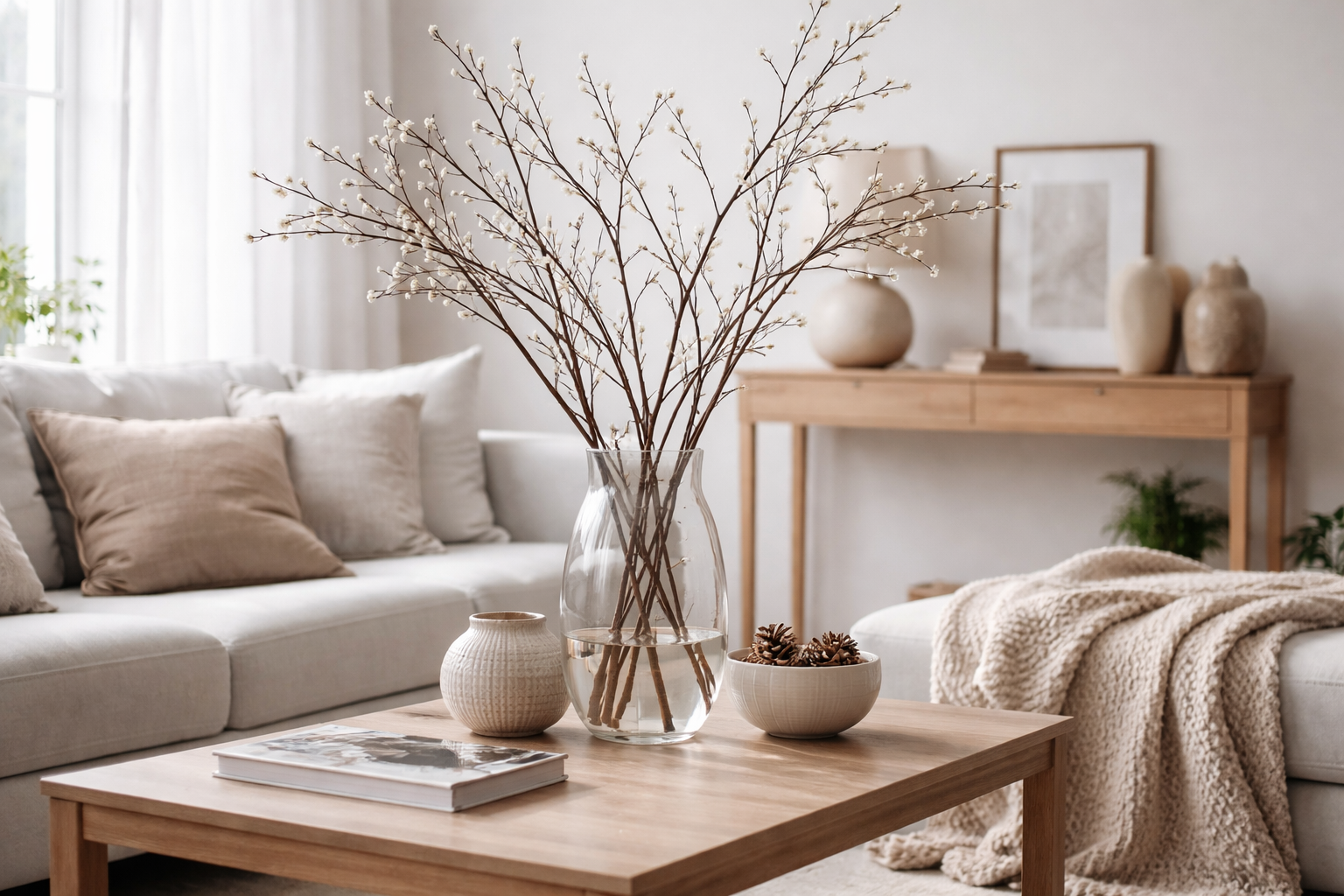
In modern interiors, decorative branches are frequently displayed in tall floor vases to create vertical interest. They can soften sharp architectural lines and add warmth to minimalist rooms without creating visual clutter. Because they are subtle and organic, they enhance a space without competing with artwork or furniture.
This balance of elegance and restraint is what makes pyntekvister especially popular in Nordic-inspired homes.
Different Types of Pyntekvister
Not all decorative branches create the same atmosphere. The type you choose can influence the overall mood of your space.
1. Natural Dried Branches
These are the most common option. They offer an authentic, earthy look and work beautifully in rustic or minimalist interiors.
2. Painted Branches
Often finished in white, black, gold, or metallic tones, painted branches suit contemporary and festive settings. They can transform a simple arrangement into a bold design statement.
3. Preserved Branches
These are specially treated to maintain flexibility and color for a longer time. They are ideal for those who want a slightly softer, more vibrant appearance.
4. Seasonal Branches
Spring branches may feature delicate buds, while winter twigs are perfect for holiday styling. Autumn arrangements often include branches paired with dried leaves or berries.
Selecting the right type depends on your interior theme and the atmosphere you wish to create.
How to Style Pyntekvister in Every Room
One of the greatest strengths of pyntekvister is how easy they are to style. With minimal effort, they can dramatically enhance different areas of the home.
Living Room
Place tall branches in a large floor vase near a window or in an empty corner. This creates a natural focal point and adds visual height.
Bedroom
Use smaller, softer arrangements on bedside tables or dressers to introduce calmness and organic texture.
Dining Area
Arrange decorative branches in a low vase as a centerpiece. This keeps the table visually interesting without obstructing conversation.
Entryway
A tall vase filled with branches near the entrance creates an inviting first impression.
Bathroom
Minimal arrangements in simple containers can evoke a spa-like ambiance and elevate the overall feel of the space.
Because branches are lightweight and flexible in design, they can easily be repositioned or restyled whenever needed.
Seasonal and Festive Decorating Ideas
Pyntekvister shine when it comes to seasonal décor. Instead of replacing decorations each season, you can refresh your branches with subtle additions.
-
Winter: Add fairy lights, ornaments, or ribbons for a festive touch.
-
Autumn: Pair branches with dried foliage, pinecones, or warm-toned accents.
-
Spring: Choose lighter branches with buds and place them in airy glass vases.
-
Summer: Keep arrangements minimal and fresh, focusing on simplicity and natural tones.
This flexibility makes decorative branches a cost-effective and sustainable way to update your home throughout the year.
Sustainability and Environmental Benefits
As sustainability becomes more important in modern living, pyntekvister offer an eco-conscious alternative to mass-produced décor. Many decorative branches are sourced from natural pruning or fallen wood, minimizing environmental impact.
Their durability means they can be reused year after year, reducing waste. Some homeowners even enjoy responsibly collecting and preparing their own branches, adding a personal and environmentally mindful element to their interiors.
Choosing pyntekvister supports a slower, more thoughtful approach to decorating — one that values longevity and connection to nature.
Care and Maintenance Tips
Maintaining decorative branches is simple:
-
Keep them away from excessive moisture to prevent warping or mold.
-
Dust occasionally with a soft cloth or feather duster.
-
Handle painted branches gently to avoid chipping.
-
Avoid prolonged exposure to direct sunlight to maintain color integrity.
With minimal upkeep, pyntekvister can remain beautiful for years.
Why Pyntekvister Are a Timeless Décor Choice
Interior design trends may shift over time, but natural materials rarely go out of style. Pyntekvister do not rely on bold patterns or dramatic colors. Instead, they offer quiet sophistication and organic elegance.
Their timeless appeal lies in their ability to complement both traditional and contemporary spaces. Whether used as a dramatic statement piece or a subtle accent, decorative branches bring balance and harmony to interiors.
Final Thoughts
Pyntekvister provide a graceful way to introduce nature into modern living spaces. Their simplicity, sustainability, and versatility make them an ideal décor choice for anyone seeking style without excess.
By thoughtfully incorporating decorative branches into your home, you can create an environment that feels calm, refined, and connected to the natural world — all while maintaining flexibility to adapt your décor throughout the seasons.
If you’re looking for an effortless yet impactful design element, pyntekvister may be exactly what your space needs.