

The word Pappedeckel may not be widely recognized outside German-speaking countries, yet the material it represents is used globally in countless everyday products. From sturdy book covers and rigid gift boxes to packaging supports and creative craft projects, Pappedeckel quietly serves as an essential structural material.
In simple terms, Pappedeckel refers to a thick and rigid type of cardboard created by compressing several layers of paper fibers into a dense board. Unlike regular cardboard, it is stronger, stiffer, and more durable, which allows it to maintain its shape even under pressure.
In today’s world—where sustainability, recyclability, and cost efficiency matter more than ever—materials like Pappedeckel are receiving renewed attention. It effectively fills the gap between lightweight paper products and heavier materials such as wood or plastic. By offering strength, design flexibility, and environmental friendliness, Pappedeckel has become a practical choice for modern packaging and manufacturing.
What Exactly Is Pappedeckel?
Pappedeckel is a rigid cardboard board manufactured by compressing multiple layers of paper pulp until they form a solid, durable sheet. Unlike folding cartons or thin packaging boards, Pappedeckel is designed to remain firm and flat rather than bend easily.
Historically, the name itself reflects its original purpose. The material was commonly used as a cover board for books, boxes, and protective lids. Over time, however, its versatility led to widespread use across various industries.
Today, Pappedeckel is valued not only for structural support but also as a design-friendly material. It can easily be printed on, laminated, wrapped with decorative paper, or cut into complex shapes, making it suitable for both industrial and aesthetic applications.
How Pappedeckel Is Produced
Paper Fibers and Raw Materials
The production process begins with paper fibers, many of which come from recycled paper sources. These fibers are cleaned and processed into pulp to create dense sheets.
One of the biggest advantages of Pappedeckel is that it often contains a high percentage of recycled material without sacrificing durability or strength. This characteristic makes it a more environmentally responsible alternative to many synthetic materials.
Layering and Compression
After the pulp is prepared, it is formed into sheets that are stacked in multiple layers. These layers are then compressed under significant pressure—sometimes combined with heat—to remove excess moisture and create a compact board.
The intensity of compression determines the final characteristics of the board, such as its thickness, weight, and stiffness.
Drying and Surface Finishing
Once the board is pressed, it undergoes a drying process to stabilize its shape and strength. Depending on its intended application, the surface may be trimmed, sanded, coated, or laminated.
Some boards remain untreated for industrial purposes, while others receive decorative finishes to improve visual appeal and moisture resistance.
Key Characteristics of Pappedeckel
Pappedeckel is valued not just because of its composition but also because of its performance.
One of its defining features is rigidity. The material maintains its shape even when supporting weight, which makes it ideal for structural uses such as packaging and bookbinding.
At the same time, it remains relatively lightweight compared to wood-based boards. This balance between strength and weight makes it practical for transportation and manufacturing.
Another major advantage is its excellent workability. Manufacturers can easily cut, punch, glue, fold, print, or wrap Pappedeckel. It also provides a stable base for decorative materials like fabric, leather, or printed paper.
From an environmental perspective, Pappedeckel offers additional benefits because it is recyclable and biodegradable. When responsibly produced, it has a much smaller environmental footprint compared to plastic or composite materials that are difficult to recycle.
Everyday Applications of Pappedeckel
Packaging and Product Protection
One of the most common uses of Pappedeckel is in packaging. Premium boxes for electronics, cosmetics, jewelry, and luxury products often rely on this material for their structure.
Rigid boxes made from Pappedeckel protect products during shipping while also creating a high-quality look and feel that enhances brand perception.
In food and beverage packaging, the material is frequently used for items like drink coasters, cup sleeves, protective inserts, and lids. Its slight moisture absorption helps prevent immediate damage while maintaining structural stability.
Bookbinding and Publishing
The publishing industry has long relied on Pappedeckel as the backbone of hardcover books. It provides the rigid foundation that keeps book covers strong and durable.
The board protects pages from bending and damage while offering a stable base for coverings such as cloth, leather, or printed paper.
Libraries and archives often favor books made with Pappedeckel because the material helps maintain structural integrity over long periods.
Crafts, Design, and Educational Projects
Beyond commercial manufacturing, Pappedeckel is widely used in artistic and educational environments.
Artists, designers, and architects frequently use it for prototypes, presentation boards, and model-making. Its durability combined with easy cutting makes it ideal for creative projects.
In schools, it is a popular material for craft activities and classroom projects because it is safe, affordable, and easy to work with.
Sustainability and Environmental Impact
Eco-Friendly Material Advantages
As environmental awareness grows, businesses and consumers are increasingly looking for sustainable material options. Pappedeckel fits well within eco-conscious production systems.
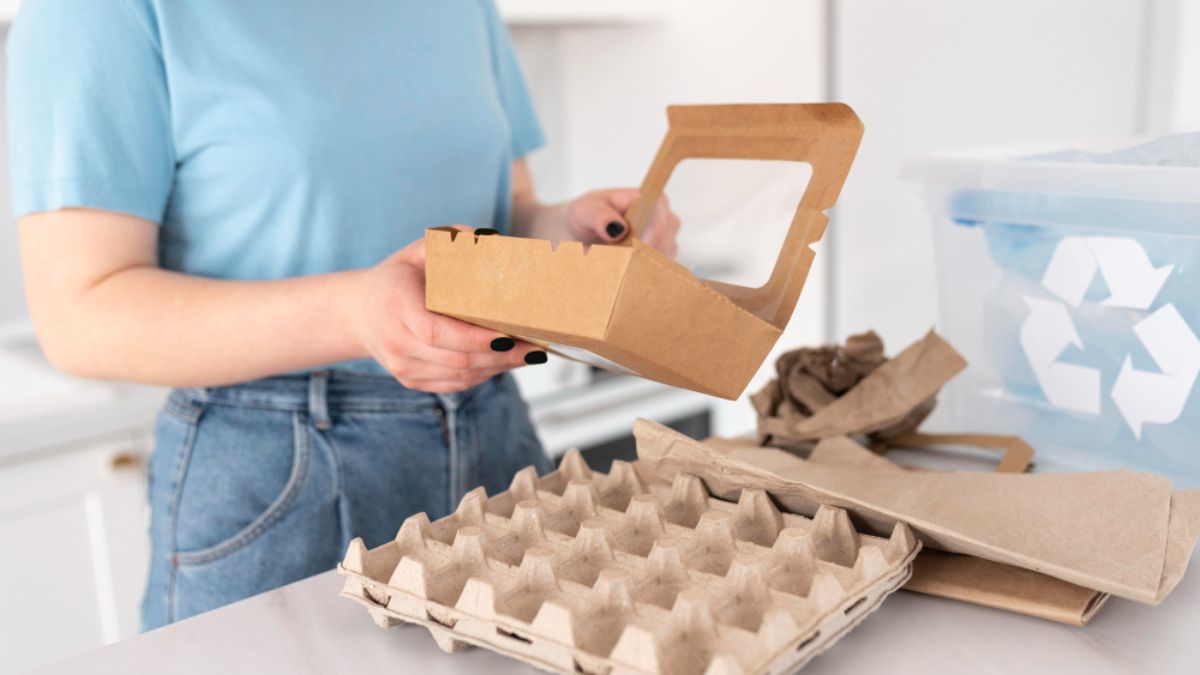
Because it is primarily made from recycled paper fibers, it supports circular economy principles. After use, many Pappedeckel products can be recycled again, helping reduce landfill waste and conserve natural resources.
Unlike plastics, which can remain in the environment for decades or even centuries, paper-based boards naturally break down over time.
Supporting Sustainable Packaging Trends
Global packaging industries are steadily shifting toward paper-based materials to reduce reliance on plastic and foam.
Pappedeckel enables manufacturers to create sturdy and protective packaging solutions while remaining environmentally responsible. This makes it a key component in the growing movement toward sustainable product packaging.
How Pappedeckel Differs from Other Cardboard
Although it belongs to the family of paper-based materials, Pappedeckel differs significantly from other types of cardboard.
Standard folding cartons are typically thin and flexible, designed to be bent and folded into shape. Corrugated cardboard, on the other hand, gains its strength from fluted layers that create air gaps.
Pappedeckel has a completely solid structure. It contains no internal waves or hollow spaces, which results in smoother edges when cut and a more refined appearance. This is why it is often preferred for visible surfaces such as book covers, rigid packaging, and presentation materials.
Choosing the Right Quality of Pappedeckel
The quality of Pappedeckel can vary depending on several factors, including thickness, density, and fiber composition.
Thicker boards offer greater strength but also increase weight. Density influences how well the material holds adhesives, screws, or decorative coverings. The quality of the fibers affects durability and resistance to wear.
For professional manufacturing and packaging, selecting the correct grade of Pappedeckel is essential. The ideal option balances strength, appearance, sustainability, and cost.
The Future of Pappedeckel in Modern Industries
As industries increasingly prioritize sustainable materials, the future of Pappedeckel looks promising. Ongoing innovations in manufacturing are improving the material’s strength-to-weight ratio and expanding its potential uses.
New surface treatments are also making Pappedeckel more resistant to moisture and wear, opening opportunities for applications that previously required plastic or wood-based boards.
With consumers becoming more environmentally conscious, demand for recyclable and biodegradable materials will likely continue to rise. Pappedeckel’s blend of tradition, functionality, and sustainability makes it well positioned to meet these expectations.
Conclusion
Although it may seem like a simple material, Pappedeckel plays an important role in many aspects of daily life. It strengthens books that last for generations, protects products during shipping, supports creative projects, and contributes to environmentally responsible packaging solutions.
By combining durability, versatility, and sustainability, Pappedeckel demonstrates how thoughtful material choices can support both practical needs and environmental goals.
As industries continue to seek alternatives to plastic and wasteful materials, Pappedeckel will remain a reliable and adaptable solution shaping the packaging and products we use every day.