



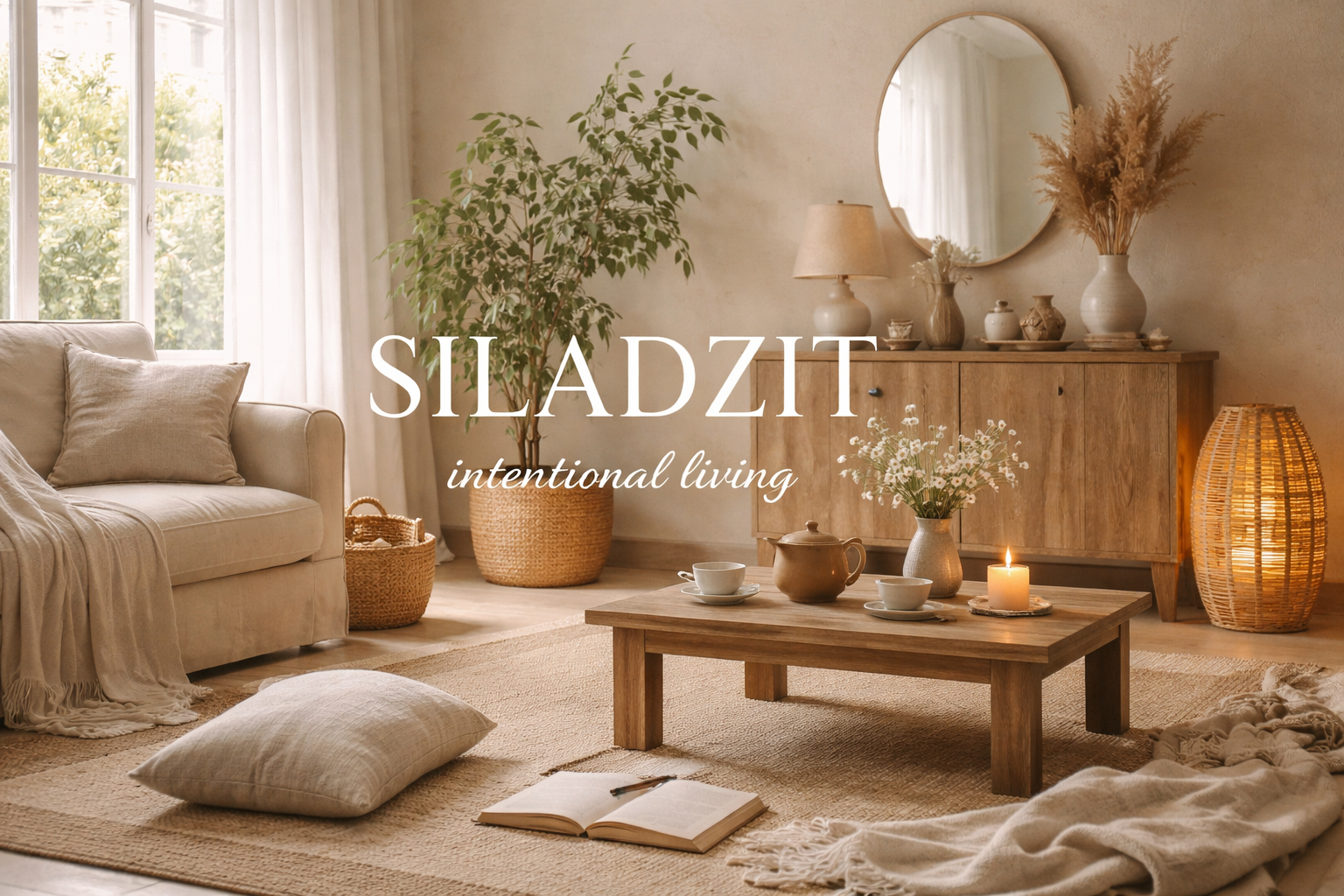
In a world overflowing with notifications, responsibilities, expectations, and endless scrolling, many people are searching for something simpler—something grounding. Enter siladzit, a rising lifestyle concept that blends intentional living, mindful design, emotional balance, and sustainable habits into one cohesive philosophy.
Siladzit isn’t just a trend. It’s not a productivity hack or a temporary aesthetic movement. Instead, it represents a shift in how we approach our daily routines, our relationships, our work, and even ourselves. At its core, siladzit is about alignment—aligning your environment, actions, and mindset with your deeper values.
In this comprehensive guide, we’ll explore what siladzit truly means, how it applies to different areas of life, and how you can begin incorporating it into your own routine for greater clarity, calm, and fulfillment.
What Is Siladzit?
Siladzit is a lifestyle philosophy centered on intentional simplicity with depth. It combines elements of minimalism, mindfulness, emotional intelligence, and slow living, but it goes beyond each of these individually.
The word itself symbolizes balance between:
-
Stillness and movement
-
Structure and flexibility
-
Ambition and contentment
-
Individual growth and community connection
Siladzit encourages living deliberately rather than reactively. Instead of asking, “What should I be doing?” it asks, “What truly aligns with who I want to become?”
Unlike rigid self-improvement systems, siladzit is fluid. It adapts to your personality, culture, responsibilities, and life stage. Whether you’re a busy professional, a student, a parent, or an entrepreneur, siladzit can be molded to fit your life.
The Core Principles of Siladzit
To understand siladzit deeply, we need to explore its foundational pillars.
1. Intentional Awareness
Siladzit begins with awareness. Before changing habits, you must observe them.
This includes:
-
Noticing how you spend your time
-
Recognizing emotional triggers
-
Understanding your energy patterns
-
Identifying what drains versus what fulfills you
Intentional awareness helps you stop operating on autopilot. It brings consciousness to everyday actions—from morning routines to digital consumption.
2. Structured Simplicity
Siladzit does not promote chaos in the name of freedom. Instead, it embraces structure—but only the kind that supports peace rather than pressure.
Examples of structured simplicity:
-
A clear morning routine
-
Organized living spaces
-
Defined work boundaries
-
Scheduled rest
Structure reduces decision fatigue. Simplicity removes unnecessary noise. Together, they create clarity.
3. Emotional Grounding
Modern life often emphasizes productivity over emotional health. Siladzit restores the balance.
Emotional grounding involves:
-
Practicing reflection
-
Naming emotions without judgment
-
Prioritizing mental well-being
-
Setting healthy boundaries
Rather than suppressing feelings, siladzit encourages processing them intentionally.
4. Sustainable Growth
Growth is essential—but burnout is not.
Siladzit promotes long-term progress instead of short-term intensity. This means:
-
Building habits gradually
-
Respecting rest cycles
-
Avoiding comparison culture
-
Measuring progress internally
It’s not about being the best. It’s about being aligned.
Siladzit in Daily Life
A philosophy is only powerful if it translates into action. Let’s explore how siladzit manifests in everyday living.
Morning Rituals the Siladzit Way
Mornings set the emotional tone for the entire day.
A siladzit-inspired morning routine might include:
-
Waking up without immediately checking your phone
-
Drinking water before coffee
-
Five minutes of quiet reflection
-
Writing three intentions for the day
-
Gentle stretching or mindful movement
The goal is not to create a 10-step productivity system. It’s to begin the day calmly and consciously.
Digital Balance
One of the biggest disruptions to intentional living is digital overload.
Siladzit encourages:
-
Scheduled social media usage
-
Phone-free meals
-
Notification control
-
Digital decluttering
-
Weekly offline hours
Instead of rejecting technology, siladzit teaches you to use it with awareness.
Ask yourself:
“Is this adding value to my life—or just filling silence?”
Home as a Sanctuary
Your environment shapes your mind.
Siladzit homes often reflect:
-
Clean, uncluttered spaces
-
Neutral or calming color palettes
-
Functional furniture
-
Soft lighting
-
Organized storage
But siladzit isn’t about expensive decor. It’s about creating a space that feels intentional and peaceful.
A small apartment can embody siladzit just as beautifully as a large home.
Work and Productivity
Siladzit reframes productivity. Instead of glorifying busyness, it values focused effort and meaningful output.
Practical approaches include:
-
Time-blocking important tasks
-
Taking scheduled breaks
-
Saying no to unnecessary commitments
-
Defining success personally, not socially
In siladzit, productivity is not measured by exhaustion—but by impact and alignment.
Relationships Through the Lens of Siladzit
Relationships are central to well-being, and siladzit emphasizes depth over quantity.
Intentional Communication
Siladzit communication involves:
-
Active listening
-
Speaking honestly but kindly
-
Avoiding reactive responses
-
Practicing empathy
It’s about understanding rather than winning arguments.
Boundaries as Self-Respect
Many people struggle with saying no. Siladzit reframes boundaries as a form of self-respect—not selfishness.
Examples:
-
Declining invitations when you need rest
-
Limiting emotional labor
-
Communicating expectations clearly
-
Protecting personal time
Healthy boundaries create healthier relationships.
Siladzit and Personal Growth
Siladzit supports growth, but not in a frantic way.
Reflection Over Reaction
Instead of reacting impulsively, siladzit encourages reflection:
-
What lesson is this situation teaching me?
-
How can I respond instead of react?
-
Is this aligned with my long-term values?
Reflection creates emotional maturity.
Slow Skill Development
Rather than chasing multiple goals at once, siladzit recommends focusing on one meaningful area of growth at a time.
For example:
-
Learning a language gradually
-
Improving fitness sustainably
-
Developing a creative hobby
-
Enhancing communication skills
Consistency over intensity.
Financial Wellness and Siladzit
Financial stress is a major source of anxiety. Siladzit approaches money with calm intentionality.
Conscious Spending
Instead of impulsive buying:
-
Pause before purchases
-
Ask if it aligns with your lifestyle values
-
Prioritize quality over quantity
Siladzit promotes financial clarity, not restriction.
Value-Based Budgeting
A siladzit budget reflects personal priorities:
-
Wellness
-
Education
-
Experiences
-
Savings
-
Stability
Money becomes a tool for alignment—not comparison.
Physical Health the Siladzit Way
Siladzit treats physical health as part of emotional and mental harmony.
Balanced Movement
Exercise isn’t punishment—it’s nourishment.
Options include:
-
Walking outdoors
-
Yoga
-
Strength training
-
Dance
-
Stretching routines
The key is sustainability.
Mindful Nutrition
Siladzit does not follow extreme diets. Instead:
-
Eat whole foods when possible
-
Practice mindful eating
-
Avoid emotional overconsumption
-
Stay hydrated
Food supports energy, not guilt.
The Aesthetic of Siladzit
Every lifestyle movement tends to develop a visual identity. Siladzit aesthetics often include:
-
Neutral tones
-
Natural materials
-
Simple clothing
-
Functional fashion
-
Soft, organic textures
But remember: aesthetics are secondary. The mindset is primary.
Siladzit isn’t about looking minimal—it’s about feeling balanced.
Siladzit in a Fast-Paced World
Many people wonder: Is it realistic to live this way in today’s fast environment?
Yes—but imperfectly.
Siladzit does not demand perfection. It encourages recalibration.
When life becomes overwhelming:
-
Pause
-
Reassess
-
Simplify
-
Realign
It’s about returning to center again and again.
Common Misconceptions About Siladzit
“It’s Just Minimalism”
Minimalism focuses mainly on possessions. Siladzit addresses thoughts, habits, emotions, time, and values.
“It’s Only for Privileged Lifestyles”
Siladzit is adaptable. You don’t need expensive tools or free time—just intention.
“It Means Slowing Down Everything”
Not necessarily. You can be ambitious within siladzit. The difference is avoiding burnout.
How to Start Living the Siladzit Way
Here’s a simple 7-step starter plan:
-
Declutter one small space.
-
Limit social media for one hour daily.
-
Create a 5-minute morning ritual.
-
Identify one draining commitment and reassess it.
-
Start journaling once a week.
-
Practice mindful breathing during stress.
-
Define three core personal values.
Start small. Grow naturally.
The Long-Term Benefits of Siladzit
People who embrace siladzit often report:
-
Reduced anxiety
-
Improved focus
-
Stronger relationships
-
Better work-life balance
-
Increased emotional clarity
-
Sustainable productivity
-
Deeper self-understanding
It doesn’t eliminate life’s challenges—but it changes how you respond to them.
Siladzit as a Lifelong Philosophy
Siladzit is not a 30-day challenge. It’s not a productivity sprint. It’s a long-term recalibration of how you live.
It asks powerful questions:
-
What truly matters to me?
-
Am I living intentionally?
-
Does my environment support my well-being?
-
Are my habits aligned with my future self?
When you live through these questions, clarity follows.
Final Thoughts
Siladzit represents a quiet revolution in lifestyle thinking. In a world obsessed with speed, comparison, and constant noise, it offers something radical: intentional calm with purpose.
It reminds us that:
-
You don’t need to do more—you need to do what matters.
-
You don’t need to be everywhere—you need to be present.
-
You don’t need perfection—you need alignment.
Whether you adopt siladzit fully or integrate small elements into your life, the impact can be profound.
Because at the end of the day, the goal isn’t just to live—it’s to live intentionally.
And that’s the heart of siladzit.

