



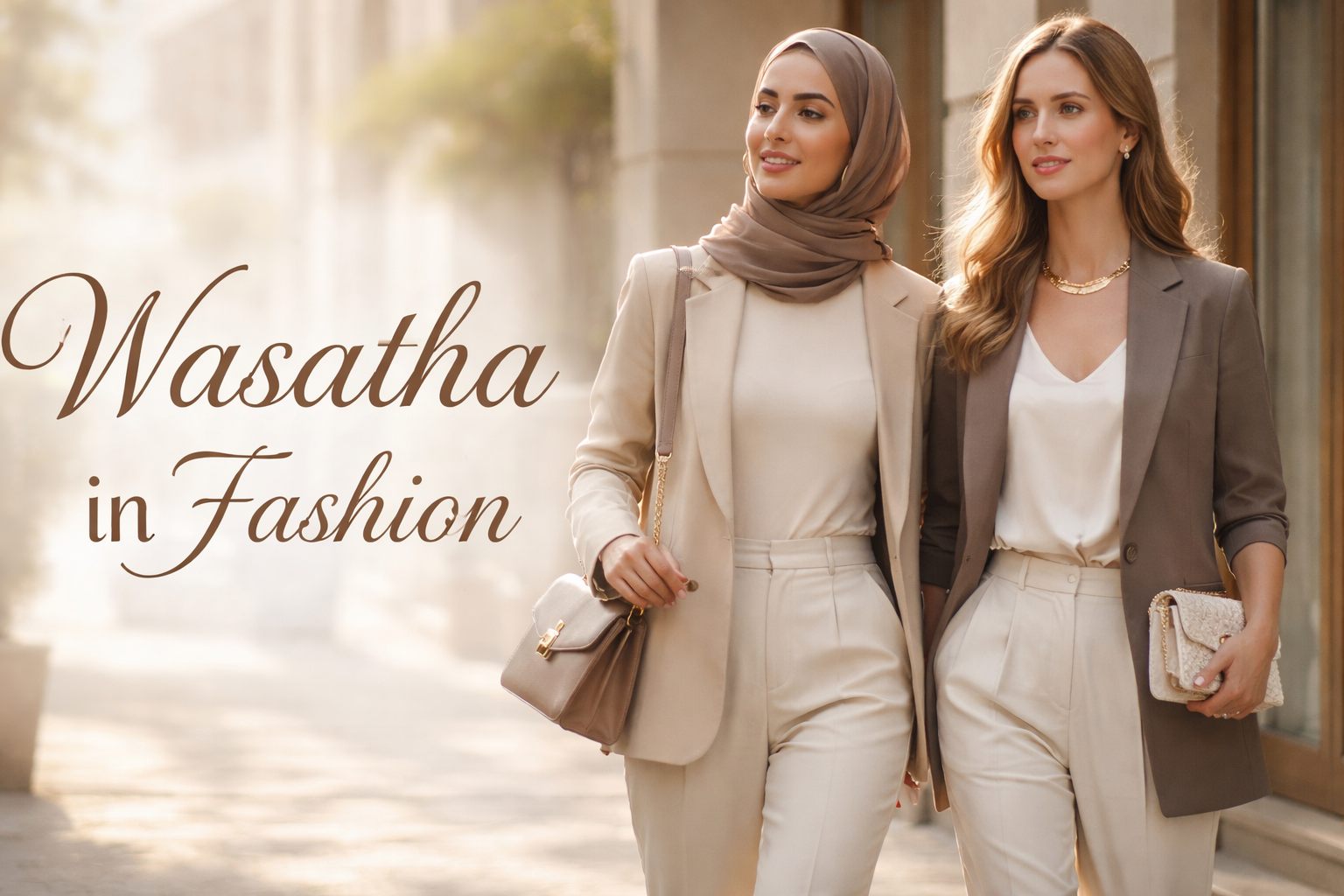
Fashion is often associated with bold statements, dramatic silhouettes, fast-changing trends, and eye-catching excess. Yet, in the middle of this constant motion lies a quieter, more enduring concept—wasatha. Rooted in the idea of balance, moderation, and harmony, wasatha offers a refreshing perspective in an industry frequently driven by extremes.
In today’s world of maximalism versus minimalism, luxury versus thrift, and fast fashion versus sustainability, wasatha stands as a philosophy that doesn’t reject style—it refines it. It doesn’t eliminate expression—it elevates it. It isn’t about playing safe; it’s about playing smart.
This blog explores what wasatha means in fashion, how it shapes personal style, its cultural and ethical dimensions, and why it may be the most relevant fashion philosophy of our time.
Understanding Wasatha: A Philosophy of Moderation
The concept of wasatha centers on balance. It suggests living—and by extension, dressing—without excess or neglect. In fashion, this translates into thoughtful choices, harmonious proportions, and intentional consumption.
Instead of chasing every passing trend or rejecting fashion entirely in the name of simplicity, wasatha finds the middle path:
-
Not overly extravagant, yet not dull
-
Not trend-obsessed, yet not outdated
-
Not wasteful, yet not restrictive
-
Not loud, yet not invisible
It is a mindful approach to aesthetics.
The Historical Presence of Balance in Fashion
Though the term wasatha may not have always been used in fashion discourse, the principle of balance has long shaped iconic eras and designers.
Classical Proportion
Ancient civilizations valued symmetry and proportion in clothing. Greek draped garments were simple yet elegant—neither over-embellished nor austere. The beauty lay in balance.
Renaissance Harmony
Renaissance tailoring emphasized structure and form but avoided chaos. Even elaborate gowns maintained symmetry and order.
Modern Minimalism
Designers like Coco Chanel introduced simplicity as elegance, steering women away from excessive ornamentation toward structured yet wearable designs.
Later, Giorgio Armani revolutionized suiting by softening structure while maintaining sophistication—another form of balance.
The lesson? Fashion’s most enduring moments were never about extremes—they were about equilibrium.
Wasatha vs. Fashion Extremes
Modern fashion often operates in extremes:
-
Ultra-minimal capsule wardrobes
-
Over-the-top maximalist streetwear
-
Hyper-luxury designer branding
-
Ultra-fast disposable fashion
Wasatha challenges these extremes.
1. Against Overconsumption
Fast fashion promotes buying in excess. Wasatha encourages:
-
Buying fewer but better pieces
-
Investing in quality
-
Choosing timeless designs
It shifts focus from quantity to intentionality.
2. Against Excessive Minimalism
While minimalism promotes simplicity, it can sometimes suppress individuality. Wasatha allows expression—just without chaos.
You can wear color.
You can wear prints.
You can layer.
The key is harmony.
The Wasatha Wardrobe: Building a Balanced Closet
A wasatha-inspired wardrobe doesn’t mean wearing beige every day. It means curating clothing that aligns with your identity, lifestyle, and values.
Core Elements of a Balanced Wardrobe
-
Neutral Foundations
Black, white, navy, beige—these create structure. -
Intentional Statement Pieces
One bold blazer.
One patterned dress.
One standout accessory. -
Versatile Silhouettes
Structured trousers.
Relaxed but tailored shirts.
Classic outerwear. -
Quality Over Quantity
Fewer garments that last longer. -
Cultural Authenticity
Clothing that respects and represents heritage without exaggeration.
Wasatha and Modest Fashion
Wasatha aligns naturally with modest fashion movements, which focus on elegance without overexposure or extravagance.
Brands like Aab Collection and Haute Hijab emphasize refined silhouettes, balanced color palettes, and wearable luxury.
Modest fashion doesn’t mean plain—it means composed. It doesn’t avoid beauty—it redefines it.
Wasatha encourages clothing that is dignified yet stylish.
Color Theory Through the Lens of Wasatha
Color plays a crucial role in achieving visual balance.
Harmonious Pairings
-
Earth tones with muted brights
-
Monochrome with one contrasting accessory
-
Pastels balanced with neutrals
Rather than overwhelming the senses, wasatha styling uses color strategically.
For example:
-
A bold red coat over a neutral outfit
-
A patterned scarf with a simple dress
-
Metallic accessories with matte fabrics
Balance creates impact without chaos.
Sustainable Fashion and Wasatha
Sustainability and wasatha share common ground.
Fast fashion contributes to environmental degradation. The industry produces excessive waste and promotes short-term trends.
Wasatha encourages:
-
Mindful purchasing
-
Supporting ethical brands
-
Repairing instead of discarding
-
Investing in durability
Designers like Stella McCartney advocate ethical sourcing and sustainable production—values aligned with balanced consumption.
Sustainability isn’t about never buying—it’s about buying responsibly.
Social Media and the Culture of Excess
Platforms like Instagram and TikTok have accelerated fashion cycles. Micro-trends emerge weekly, encouraging impulse shopping.
Wasatha pushes back against this pressure.
Instead of asking:
-
“What’s trending this week?”
It asks:
-
“Does this reflect who I am?”
-
“Will I wear this next year?”
-
“Does this align with my values?”
Fashion becomes personal again—not performative.
Luxury and Wasatha: Redefining Elegance
Luxury often equates to logos, exclusivity, and price tags. Wasatha reframes luxury as:
-
Craftsmanship
-
Fit
-
Timeless design
-
Longevity
Consider brands like Hermès. While known for exclusivity, their craftsmanship philosophy emphasizes durability and heritage over seasonal hype.
True luxury isn’t loud—it’s lasting.
Masculine and Feminine Balance in Style
Wasatha also applies to gender expression in fashion.
For Women
-
Structured tailoring with soft fabrics
-
Elegant silhouettes without over-embellishment
-
Statement pieces balanced with simplicity
For Men
-
Clean tailoring with subtle textures
-
Color without flamboyance
-
Accessories used thoughtfully
The goal is neither rigidity nor extravagance—just coherence.
The Psychology of Balanced Dressing
Clothing affects mood and perception. Studies in fashion psychology show that balanced outfits often:
-
Increase confidence
-
Improve professional perception
-
Reduce decision fatigue
When your wardrobe aligns with wasatha, getting dressed becomes easier. You’re not overwhelmed by options, nor constrained by monotony.
You feel composed.
Cultural Identity and Wasatha
In multicultural societies, fashion can become a negotiation between tradition and modernity.
Wasatha offers a bridge.
For example:
-
Pairing traditional embroidery with contemporary tailoring
-
Wearing cultural textiles in modern cuts
-
Mixing heritage accessories with minimalist outfits
This balance honors roots without being confined by them.
Fast Fashion vs. Timelessness
Brands like Zara release new collections rapidly, encouraging constant wardrobe updates.
Wasatha suggests slowing down.
Instead of buying five trendy pieces:
Buy one timeless coat.
Instead of replacing shoes yearly:
Invest in quality leather.
Timeless fashion isn’t boring—it’s strategic.
Wasatha in Streetwear
Streetwear often leans toward bold graphics and oversized silhouettes. However, balance can transform it.
Pair:
-
Graphic hoodie with tailored trousers
-
Sneakers with structured outerwear
-
Bold prints with neutral layers
Even edgy fashion benefits from proportion.
Practical Guide: Dressing with Wasatha
Here’s how to implement wasatha in daily life:
1. Audit Your Closet
Remove:
-
Unworn items
-
Impulse purchases
-
Ill-fitting garments
Keep:
-
Versatile essentials
-
High-quality staples
-
Meaningful pieces
2. Follow the 70/30 Rule
-
70% timeless basics
-
30% trend or statement pieces
3. Avoid Emotional Shopping
Pause before purchasing.
Wait 48 hours.
Ask: “Will this matter next season?”
4. Invest in Tailoring
Perfect fit creates instant balance.
Wasatha and Professional Style
In corporate environments, balance is crucial.
Too flashy? Unprofessional.
Too plain? Forgettable.
Wasatha suggests:
-
Structured blazers
-
Clean lines
-
Subtle accessories
-
Quality fabrics
Professionals who dress with balance often project authority and approachability simultaneously.
The Economic Side of Wasatha
Balanced fashion is financially wise.
Instead of spending monthly on trends, invest annually in staples. Over time, cost-per-wear decreases significantly.
A $300 coat worn 150 times costs $2 per wear.
A $30 trendy jacket worn twice costs $15 per wear.
Moderation saves money.
Wasatha in Accessories
Accessories can make or break balance.
-
One statement necklace—not five
-
A structured handbag—not overloaded charms
-
Classic watch—not excessive layering
Even fragrance choice can follow wasatha: noticeable, not overwhelming.
Wasatha as a Lifestyle Extension
Fashion reflects internal values. Practicing wasatha in clothing often leads to balance in:
-
Spending
-
Time management
-
Consumption habits
-
Social media usage
It becomes a holistic philosophy.
Future of Fashion: A Shift Toward Balance?
As consumers grow more conscious, movements toward sustainability, mindful buying, and ethical production are increasing.
Younger generations question:
-
Overproduction
-
Waste
-
Unrealistic beauty standards
Wasatha aligns naturally with this awakening.
The future may not belong to extremes—but to thoughtful equilibrium.
Why Wasatha Matters Now
In a world of rapid change and digital overload, wasatha provides clarity.
It reminds us:
-
Style is not competition
-
Elegance doesn’t scream
-
Confidence doesn’t require excess
-
Beauty thrives in balance
Fashion should enhance identity—not overshadow it.
Final Thoughts: The Power of the Middle Path
Wasatha in fashion is not about limitation. It is about liberation from pressure—pressure to overspend, overconsume, over-display.
It invites us to:
-
Dress intentionally
-
Buy consciously
-
Express authentically
-
Live moderately
True style is not found in extremes. It lives in harmony.
And perhaps the most powerful statement you can make in fashion today is not louder branding or faster trends—but balanced elegance.
In embracing wasatha, you don’t step away from fashion.
You step into its most refined form.

